Introduction: The Unstoppable Wave of Technological Progress
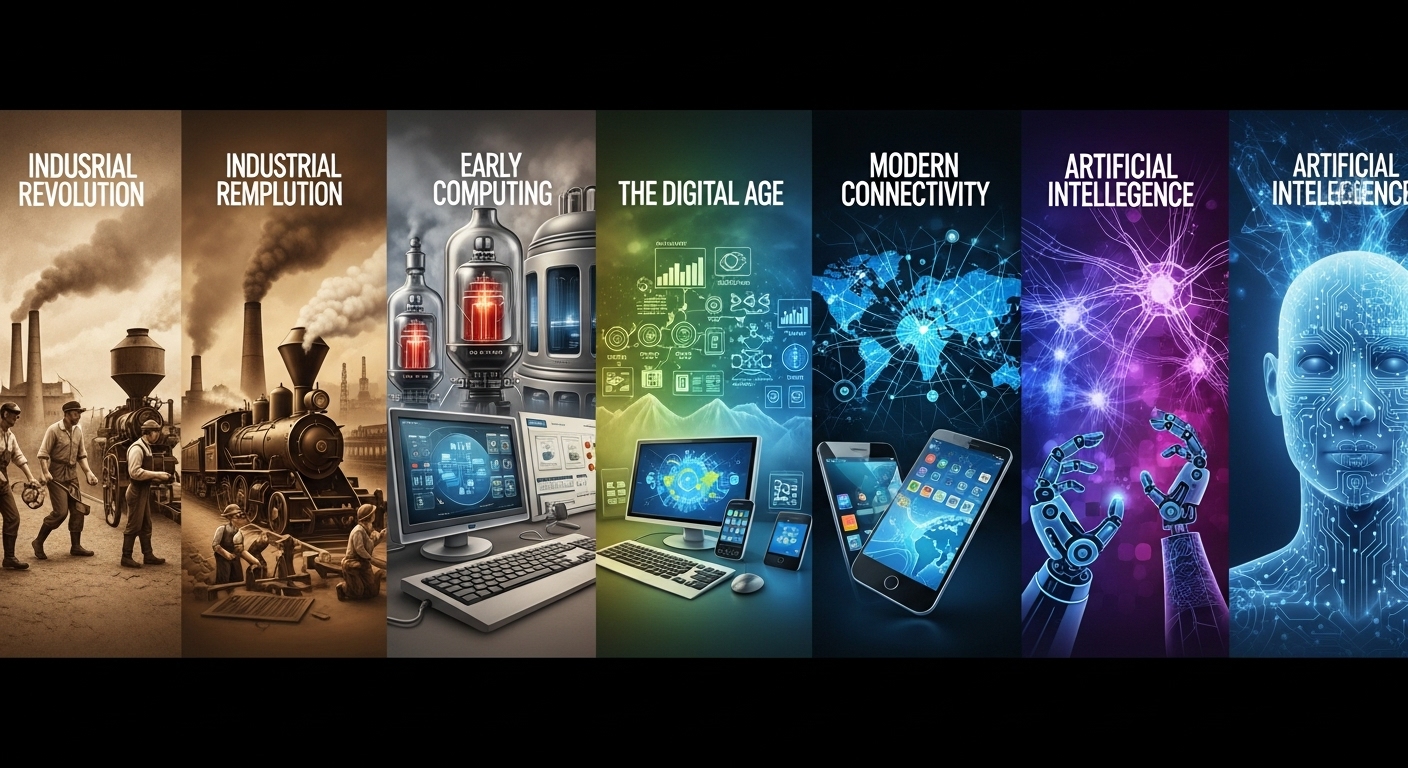
Technology surrounds us in almost every aspect of daily life. It drives innovation, fuels industries, connects the globe, and challenges the way we think about the future. From smartphones to artificial intelligence, breakthroughs are occurring at an accelerating pace. This blog post explores key technological advancements, their impact on society, challenges they bring, and what lies ahead as we move further into the digital age.
The Revolution of Artificial Intelligence: Smarter Machines, Smarter World
Artificial Intelligence (AI) has shifted from science fiction to practical reality, influencing sectors ranging from healthcare to entertainment. AI systems are designed to analyze data, recognize patterns, and make decisions with minimal human intervention.
One of the most significant AI advancements is machine learning, where systems improve through experience. AI-powered applications help diagnose diseases earlier, optimize logistics for global supply chains, and personalize user experiences on digital platforms. However, as AI becomes more powerful, ethical concerns emerge around bias, job automation, and data privacy, demanding thoughtful governance.
The Internet of Things: Creating a Seamless Connected Environment
The Internet of Things, or IoT, connects everyday objects to the internet, enabling communication between devices and enhancing convenience. Smart homes equipped with connected thermostats, lights, and security cameras are becoming commonplace, offering energy savings and increased safety.
In industry, IoT sensors monitor equipment health, reducing downtime through predictive maintenance. Smart cities use IoT to manage traffic flow and reduce pollution. Yet, as billions of devices become interconnected, cybersecurity risks grow, and ensuring device compatibility remains a challenge.
Quantum Computing: Entering the Era of Supercharged Processing
Quantum computing represents a radical shift from classical computing by harnessing quantum bits capable of representing multiple states simultaneously. This ability allows quantum computers to tackle complex problems far beyond current capabilities.
Potential applications include breakthroughs in cryptography, drug discovery, climate modeling, and optimization problems. While still experimental, rapid progress signals that quantum computing may revolutionize industries within decades. The challenge lies in developing stable qubits and scalable systems.
5G Connectivity: The Backbone of Next-Gen Innovation
The deployment of 5G networks marks a transformative step in wireless communication, offering faster speeds, higher bandwidth, and ultra-low latency. This technological leap supports innovations like autonomous vehicles, remote surgeries, and advanced augmented reality experiences.
Beyond personal use, 5G enhances industrial automation, enabling real-time data exchange in manufacturing and logistics. Widespread 5G adoption requires substantial infrastructure investment and raises questions about equitable access, particularly in rural areas.
Blockchain Technology: Trust and Transparency in the Digital Age
Blockchain is best known as the foundation for cryptocurrencies, but its potential extends into many sectors. By creating decentralized and tamper-proof ledgers, blockchain offers enhanced security and transparency.
Applications range from supply chain tracking and secure voting to digital identity verification. Blockchain facilitates decentralized finance, providing financial services without traditional intermediaries. Despite its promise, challenges such as scalability and energy consumption must be addressed.
Augmented Reality and Virtual Reality: Bridging Real and Virtual Worlds
Augmented Reality (AR) overlays digital content onto the real environment, while Virtual Reality (VR) immerses users in entirely digital spaces. These technologies enrich entertainment, education, and professional training by offering interactive and engaging experiences.
AR enables real-time navigation, hands-on maintenance guidance, and immersive retail experiences. VR simulates complex environments for training pilots, surgeons, or architects. However, high costs and hardware limitations currently restrict widespread adoption.
Robotics and Automation: Transforming Work and Daily Life
Robotics combines artificial intelligence, mechanical design, and sensors to automate tasks across industries. From factory assembly lines to warehouse management, robots improve efficiency and precision.
Service robots are also gaining prominence, assisting in healthcare, hospitality, and home environments. The integration of collaborative robots or “cobots” that work alongside humans points to a future where automation enhances rather than replaces human labor.
Cybersecurity: Protecting Our Digital World
As technology becomes integral to personal and professional life, protecting digital assets is paramount. Cybersecurity evolves to counter sophisticated threats such as ransomware, data breaches, and phishing attacks.
Organizations employ multi-layered defenses including encryption, intrusion detection, and AI-based threat analysis. Meanwhile, users must practice good digital hygiene like strong passwords and software updates. Maintaining privacy and security in an interconnected world remains an ongoing battle.
Big Data and Analytics: Turning Information into Insight
The explosion of data generated daily is both a challenge and an opportunity. Big Data analytics processes vast datasets to uncover patterns, trends, and actionable insights.
Businesses leverage analytics for customer behavior analysis, risk management, and operational efficiency. Predictive analytics enable proactive decision-making, transforming sectors like finance, healthcare, and marketing. Responsible data use and transparency about algorithms are critical to maintaining trust.
Sustainability and Green Technology: Innovating for Our Planet
Environmental concerns have propelled innovation toward sustainable technology. Renewable energy sources such as solar and wind continue to become more efficient and cost-effective.
Energy management systems use IoT to optimize consumption and reduce waste. Advances in battery technology are essential for storing renewable energy and powering electric vehicles. Green computing initiatives aim to minimize the environmental impact of data centers and electronic waste.
Ethical Considerations and Challenges in Technology
Technological progress introduces complex ethical dilemmas. Issues such as digital privacy, algorithmic bias, and the digital divide must be addressed to ensure equitable benefits.
Automation raises concerns about workforce displacement, highlighting the need for reskilling programs. Responsible innovation involves transparency, inclusivity, and proactive regulation to avoid unintended consequences.
Preparing for the Future: Skills and Mindsets for a Tech-Driven World
In a rapidly evolving tech landscape, adaptability and continuous learning are essential. Developing digital literacy, critical thinking, and problem-solving skills empowers individuals to thrive.
Encouraging interdisciplinary collaboration between technology and humanities fosters innovation that serves society holistically. Cultivating ethical awareness ensures technology develops responsibly and inclusively.
Conclusion: Embracing Technology as a Catalyst for Positive Change
Technology continues to redefine human experience, offering unprecedented possibilities alongside new challenges. By understanding emerging technologies and their implications, individuals and communities can harness innovation to improve lives, promote sustainability, and build a more connected future.
The journey ahead requires balancing excitement with caution, innovation with responsibility, and progress with empathy. Ultimately, technology is a tool shaped by human values, creativity, and vision — unlocking tomorrow starts with how we engage with it today.