
Introduction
Technology is no longer just a tool—it has become the backbone of modern society, influencing how we work, communicate, and even think. The pace of technological advancement over the last decade has been unprecedented, and emerging technologies are silently revolutionizing the world around us. From artificial intelligence to quantum computing, the innovations of today are not merely conveniences; they are fundamental transformations that will redefine industries, economies, and human lifestyles. This post explores some of the most significant technological trends, their applications, and the potential impact they hold for the future.
Artificial Intelligence and Machine Learning
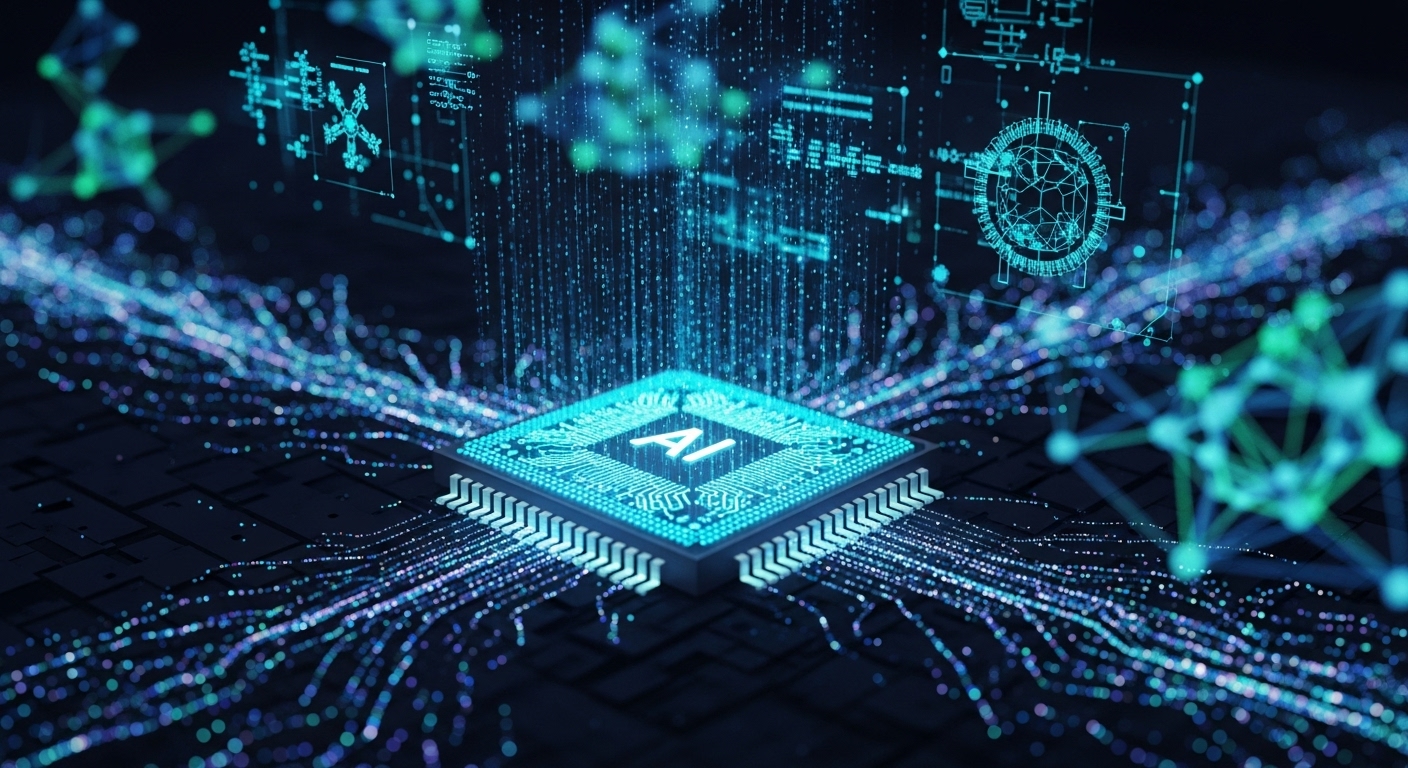
Artificial intelligence (AI) is at the forefront of the technological revolution. Once a concept confined to science fiction, AI now powers countless applications, from voice assistants to predictive analytics in business. Machine learning, a subset of AI, enables computers to learn from data and improve their performance without explicit programming. This has profound implications for industries such as healthcare, where AI can predict disease patterns and recommend personalized treatments, and in finance, where it can detect fraudulent transactions in real time.
The integration of AI into everyday life is also reshaping consumer experiences. Smart home devices, personalized content recommendations, and even autonomous vehicles rely heavily on AI algorithms to function efficiently. Despite its benefits, AI raises ethical and societal concerns, including privacy, job displacement, and decision-making transparency. Balancing innovation with responsibility remains a key challenge for AI developers and regulators alike.
Quantum Computing: A Leap Beyond Classical Limits
While AI focuses on intelligence, quantum computing pushes the boundaries of computation itself. Unlike classical computers that use binary bits, quantum computers use qubits, which can represent multiple states simultaneously thanks to the principles of superposition and entanglement. This enables quantum machines to solve complex problems at speeds unimaginable for traditional computers.
Industries like cryptography, pharmaceuticals, and climate modeling stand to benefit immensely from quantum computing. For instance, simulating molecular structures for drug discovery, which would take classical computers years, could be achieved in days or even hours with quantum systems. However, quantum computing is still in its infancy, and building stable, error-free quantum machines remains a formidable challenge. The future, though, promises a computational revolution that could redefine what is technically possible.
The Internet of Things and Smart Connectivity
The Internet of Things (IoT) is transforming ordinary objects into intelligent, connected devices. From smart thermostats that optimize energy consumption to wearable fitness trackers that monitor health metrics, IoT technology is making our environment more interactive and responsive. In industrial contexts, IoT enables predictive maintenance, reducing downtime and operational costs, while in cities, it powers smart infrastructure, improving traffic management and resource allocation.
Security and privacy are major concerns in the IoT landscape. Every connected device represents a potential vulnerability, making robust cybersecurity measures essential. Despite these challenges, the proliferation of IoT devices continues, promising a world where connectivity is seamless, and information flows effortlessly to improve efficiency and convenience.
Blockchain Beyond Cryptocurrency
Blockchain technology, initially known as the backbone of cryptocurrencies like Bitcoin, has applications far beyond digital money. At its core, blockchain is a decentralized, tamper-proof ledger that ensures transparency and security in data transactions. Supply chain management, healthcare record keeping, and even voting systems are beginning to leverage blockchain to create more reliable and accountable systems.
The immutability and transparency of blockchain make it particularly useful in combating fraud and ensuring data integrity. Smart contracts—self-executing agreements encoded on blockchain networks—are automating processes that traditionally required intermediaries, reducing costs and increasing trust. While adoption is still growing, blockchain has the potential to redefine the way data and transactions are managed across multiple sectors.
Augmented Reality and Virtual Reality
Augmented reality (AR) and virtual reality (VR) technologies are transforming how humans interact with digital information. AR overlays digital content onto the real world, enhancing experiences in gaming, education, and retail, while VR immerses users in entirely simulated environments. These technologies are no longer confined to entertainment—they are being integrated into training simulations, virtual meetings, and therapeutic applications.
In medical education, for example, VR enables students to practice complex surgeries in a risk-free environment, improving their skills and confidence. In retail, AR allows customers to visualize products in their homes before purchasing, enhancing engagement and satisfaction. As hardware becomes more affordable and software more sophisticated, the line between physical and digital experiences will continue to blur.
5G and the Future of Connectivity
The rollout of 5G networks is set to transform the way we connect and interact with technology. Offering faster speeds, lower latency, and the ability to connect more devices simultaneously, 5G is the backbone for innovations like autonomous vehicles, smart cities, and remote healthcare. This new standard of connectivity will enable real-time communication and seamless data transfer, creating opportunities for industries and consumers alike.
One of the most exciting aspects of 5G is its potential to accelerate the development of emerging technologies. High-speed, low-latency networks are essential for AI-driven applications, VR/AR experiences, and IoT ecosystems to function at their full potential. While infrastructure challenges remain, the promise of a hyper-connected world is becoming a tangible reality.
Green Tech and Sustainable Innovation
Technology is not just reshaping convenience—it is also driving sustainability. Green technology, or cleantech, focuses on creating environmentally friendly solutions to combat climate change and resource depletion. Innovations in renewable energy, energy storage, and carbon capture are helping industries reduce their environmental footprint. Smart grids and energy-efficient systems are optimizing energy consumption, reducing waste, and enabling sustainable urban development.
Electric vehicles, powered by advances in battery technology and autonomous driving systems, are reshaping transportation while reducing greenhouse gas emissions. As consumer awareness of environmental issues grows, sustainable technology will become a central focus for businesses and policymakers.
Ethical Considerations in a Tech-Driven World
With great power comes great responsibility. As technology becomes more advanced and pervasive, ethical considerations must take center stage. Issues such as data privacy, algorithmic bias, and the societal impact of automation demand careful attention. Tech companies, governments, and individuals must work together to ensure that technological progress benefits society without compromising fundamental human rights.
Transparency in AI decision-making, equitable access to technological advancements, and responsible deployment of disruptive innovations are all essential to building a future where technology empowers rather than oppresses. Ethical frameworks are increasingly being incorporated into tech development, signaling a shift toward more conscientious innovation.
The Human-Tech Relationship
Ultimately, technology is an extension of human capability. It enhances creativity, amplifies productivity, and allows us to tackle problems previously considered insurmountable. However, the rapid pace of change also demands adaptability. Lifelong learning, digital literacy, and ethical awareness are becoming essential skills for navigating a tech-driven world.
Humans and technology are moving toward a symbiotic relationship where collaboration, rather than replacement, is the goal. From AI-assisted medical diagnostics to virtual reality classrooms, technology is not a replacement for human ingenuity—it is a catalyst for it.
Conclusion
The technological landscape is evolving faster than ever, touching every aspect of human life. Artificial intelligence, quantum computing, IoT, blockchain, VR/AR, 5G, and green tech are not isolated trends—they are interconnected forces driving a profound transformation. While challenges such as security, ethics, and accessibility remain, the potential benefits are staggering. By embracing innovation responsibly, society can harness these technologies to create a world that is smarter, more efficient, and more sustainable. The silent revolution of technology is here, and it is reshaping the future in ways we are only beginning to understand.