Introduction
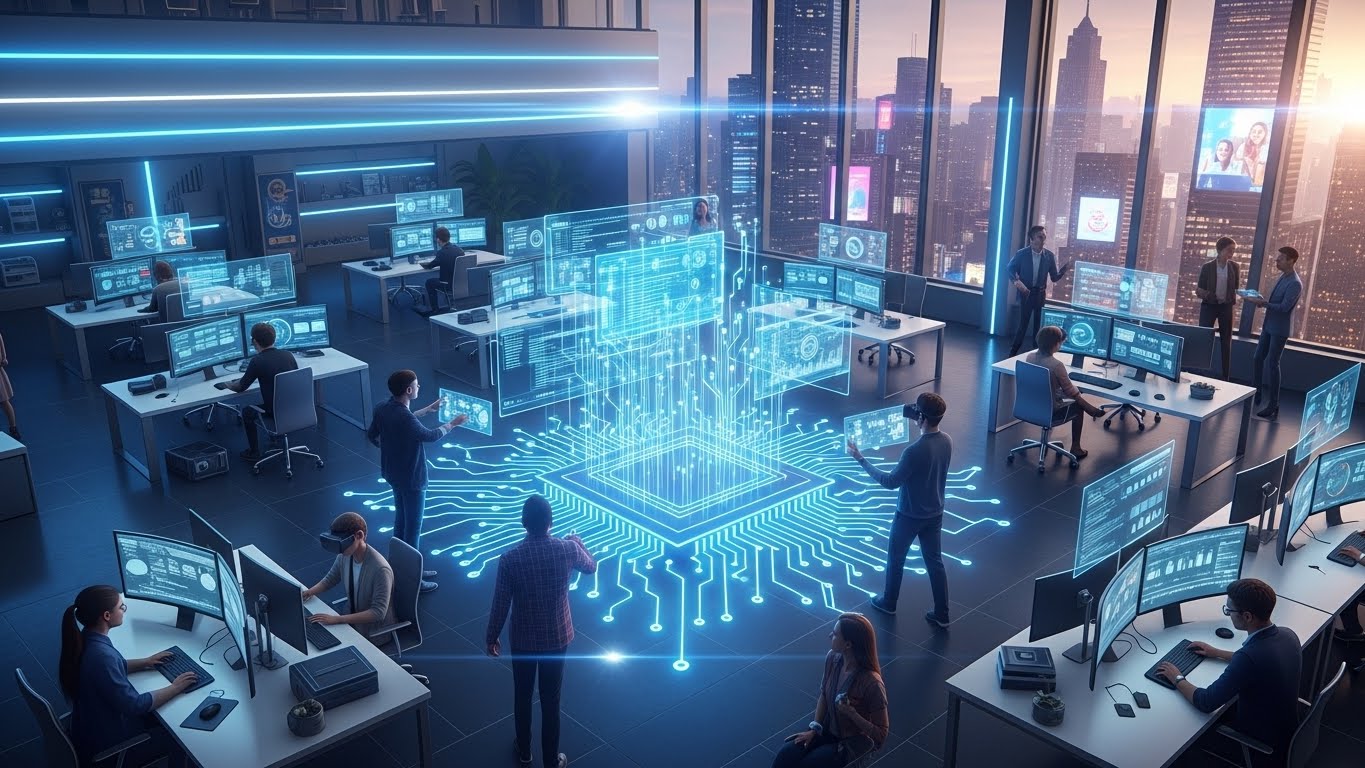
Technology has always been a driving force in shaping human civilization. From the invention of the wheel to the rise of the internet, each technological leap has transformed how we live, work, and interact with the world around us. In recent years, one of the most significant shifts has been the integration of intelligent technology, particularly artificial intelligence and automation, into our daily lives. These innovations are no longer confined to science fiction—they are reshaping industries, enhancing productivity, and redefining what it means to live in a connected world. This blog explores the current state of intelligent technology, its impact on society, and what the future may hold.
The Evolution of Artificial Intelligence
Artificial intelligence, or AI, has come a long way since its inception. Early AI systems were limited to performing predefined tasks, such as playing chess or solving mathematical equations. These systems operated based on rigid rules and lacked the ability to learn from experience. Modern AI, however, is drastically different. Powered by advanced algorithms, massive data sets, and improved computing power, AI systems can now analyze patterns, make predictions, and even mimic human-like decision-making processes. Machine learning, a subset of AI, allows systems to improve their performance over time without explicit programming. Deep learning, an even more advanced form, leverages neural networks inspired by the human brain to recognize complex patterns, enabling breakthroughs in image recognition, natural language processing, and autonomous systems.
Automation and Its Impact on Industries
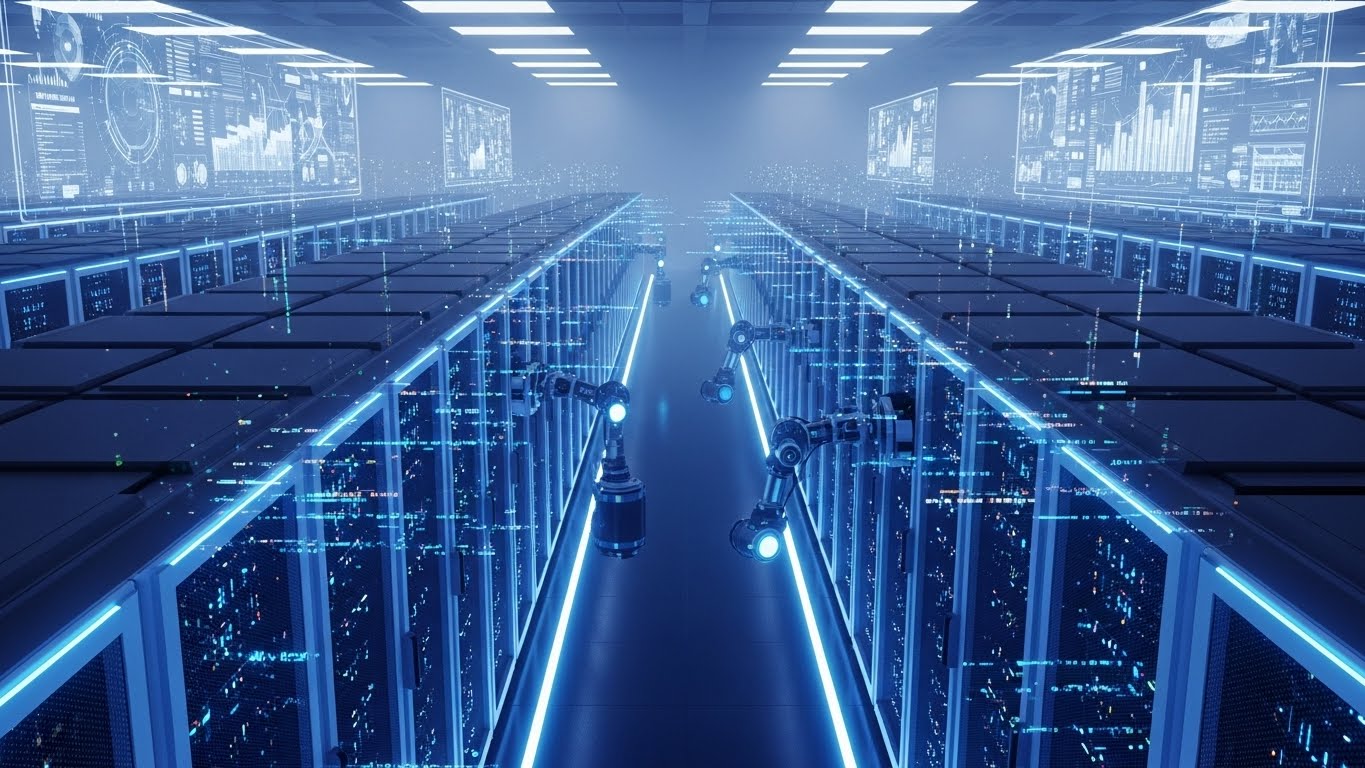
Automation has been a part of human society for centuries, from early mechanical looms to modern robotic assembly lines. Today, automation extends far beyond repetitive physical tasks. Intelligent automation combines robotics with AI, enabling machines to perform tasks that require cognitive capabilities such as problem-solving, decision-making, and predictive analysis. Industries across the board are experiencing transformative effects. In manufacturing, smart factories equipped with AI-driven robots optimize production, reduce errors, and enhance efficiency. In the financial sector, AI-powered algorithms analyze market trends, detect fraud, and streamline customer service. Even healthcare is benefiting from intelligent automation, with AI assisting in diagnostics, personalized treatment plans, and robotic surgeries. While automation increases productivity, it also raises questions about workforce displacement, emphasizing the need for reskilling and human-machine collaboration.
The Role of Data in Intelligent Technology
Data is the lifeblood of intelligent technology. Without vast amounts of data, AI systems cannot learn, adapt, or make informed decisions. Every interaction we have online, every transaction, and even our physical movements generate data that can be harnessed to create smarter systems. The concept of big data refers to the collection, processing, and analysis of massive datasets to uncover insights and patterns that were previously invisible. Advanced AI algorithms can process this data to identify trends, predict behaviors, and optimize processes in real-time. However, the reliance on data also raises concerns about privacy, security, and ethical use. As intelligent systems become more pervasive, ensuring responsible data management practices becomes essential to maintain trust and prevent misuse.
Intelligent Technology in Everyday Life
Intelligent technology is no longer limited to specialized industries; it has permeated our daily routines. Virtual assistants, such as voice-activated AI, help manage schedules, control smart home devices, and answer queries. Recommendation algorithms on streaming platforms and e-commerce websites analyze user behavior to provide personalized content and shopping experiences. Autonomous vehicles are gradually transforming transportation, promising safer and more efficient travel. Even education is evolving with AI-driven platforms that offer personalized learning experiences tailored to individual student needs. These applications demonstrate that intelligent technology is not just a tool for businesses; it is a facilitator of convenience, efficiency, and accessibility in everyday life.
Challenges and Ethical Considerations
Despite its potential, intelligent technology comes with significant challenges. One major concern is the ethical implications of AI decision-making. AI systems can inherit biases present in the data they are trained on, leading to unfair or discriminatory outcomes. Ensuring transparency and accountability in AI algorithms is crucial to prevent harm. Additionally, the rapid pace of technological advancement creates a skills gap in the workforce, with many workers lacking the training needed to thrive in an AI-driven economy. Cybersecurity is another pressing issue, as intelligent systems become targets for malicious attacks that could disrupt critical infrastructure. Addressing these challenges requires collaboration among technologists, policymakers, and society at large to establish guidelines, regulations, and educational initiatives that promote responsible innovation.
The Future of Intelligent Technology
Looking ahead, the trajectory of intelligent technology suggests even greater integration into our lives and industries. Advancements in quantum computing, for example, promise to accelerate AI capabilities, enabling systems to solve problems that were previously impossible. Human-AI collaboration will likely become the norm, with AI augmenting human intelligence rather than replacing it entirely. The concept of the Internet of Things will continue to expand, connecting devices, environments, and systems in a seamless digital ecosystem. Furthermore, AI-driven innovations in sustainability could address some of the world’s most pressing challenges, from climate modeling and energy management to resource optimization and disaster response. The future is poised to be one where intelligent technology is not just a tool but a partner in driving progress and solving complex global issues.
Conclusion
Intelligent technology, encompassing AI and automation, is more than just a technological trend; it is a transformative force shaping the way we live, work, and interact with the world. Its evolution from simple rule-based systems to sophisticated, self-learning algorithms has revolutionized industries, enhanced productivity, and made daily life more convenient. However, the rise of intelligent technology also brings challenges, including ethical concerns, workforce displacement, and data privacy issues. Navigating these challenges requires a careful balance between innovation and responsibility. As we move forward, embracing the potential of intelligent technology while addressing its risks will be key to creating a future where humans and machines collaborate harmoniously to solve problems, enhance efficiency, and improve the quality of life for all.