Introduction: Technology Beyond Sight
Technology has transformed the way we live, often in ways we don’t immediately notice. From smartphones that manage our schedules to algorithms that predict our preferences, modern technology has become an invisible force guiding daily life. While we often celebrate visible inventions, the real power of technology lies in systems, processes, and innovations working quietly in the background. This blog explores the hidden impact of technology on society, business, communication, and personal life.
The Evolution of Modern Technology
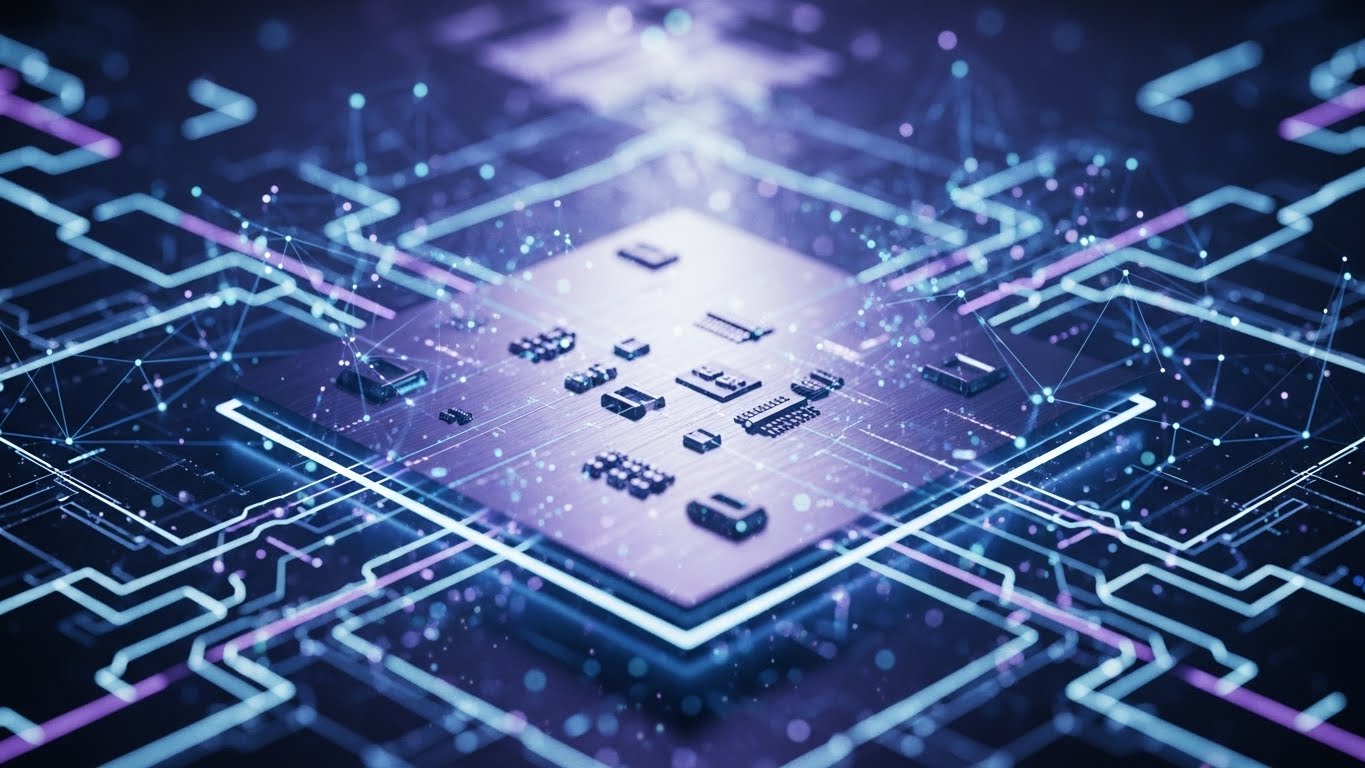
Early technology was tangible. Televisions, radios, and computers were objects you could see and touch. Over the years, technological innovation has shifted from visible hardware to invisible software and digital networks. Miniaturization of circuits, the rise of wireless communication, and cloud computing have made powerful systems accessible without being noticed. The emphasis has moved from simply creating devices to creating seamless experiences.
Today, technology works silently, processing data, making predictions, and optimizing systems. The devices we interact with are often just the tip of the iceberg, masking complex infrastructure operating invisibly in the background. This evolution has allowed technology to integrate more naturally into our daily lives.
Artificial Intelligence: The Hidden Brain
Artificial intelligence has become the backbone of modern technological systems. While AI-powered chatbots and assistants are visible, most AI functions work behind the scenes. AI processes vast amounts of data in milliseconds, offering recommendations, detecting anomalies, and optimizing systems. In e-commerce, AI predicts what customers might buy next. In healthcare, AI analyzes patient data to assist doctors in diagnosing diseases earlier and more accurately.
AI is also transforming industries like finance, where predictive algorithms assess risk, and manufacturing, where AI-driven robots manage inventory and production. Its invisible nature allows AI to continuously learn, adapt, and improve performance without constant human intervention. As AI technology advances, it will become even more seamlessly integrated into our lives, quietly shaping decisions and experiences.
Cloud Computing: Power Behind the Scenes
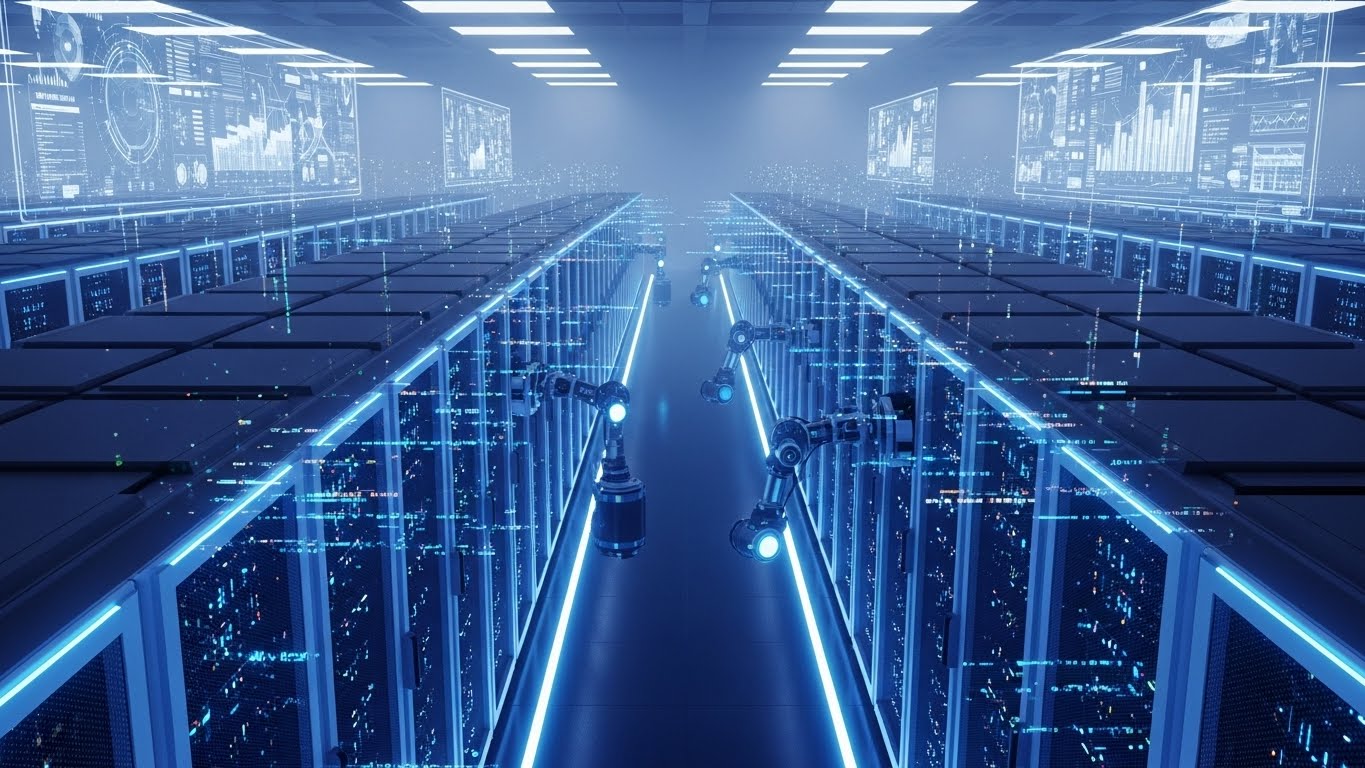
Cloud computing is one of the most significant invisible technological advancements of the modern era. It allows data storage, processing, and software deployment without the need for physical hardware on the user’s end. Every time we send an email, stream a video, or collaborate on a document online, cloud servers work silently to make it possible.
Businesses rely on cloud infrastructure to reduce costs, improve scalability, and enable remote work. Cloud systems allow companies to deploy applications globally and provide real-time services to millions of users. The cloud has effectively transformed how businesses operate, supporting innovation without requiring users to understand the underlying complexity.
The Rise of Ambient Technology
Ambient technology refers to systems that operate naturally in the environment without requiring explicit interaction. Examples include smart homes that adjust lighting and temperature automatically, wearable devices that monitor health metrics continuously, and voice assistants that respond only when needed.
This technology creates a seamless user experience where devices adapt to human behavior rather than the other way around. Ambient systems rely on sensors, data analytics, and AI to understand context and anticipate needs. By quietly observing and responding, ambient technology provides convenience while making technology feel less intrusive.
Internet of Things: Connecting Everything
The Internet of Things connects everyday objects to digital networks, enabling data exchange and automation. Smart appliances, industrial sensors, and connected vehicles are examples of IoT in action. These systems operate silently, gathering information and acting autonomously to improve efficiency and productivity.
In agriculture, IoT devices monitor soil and weather conditions to optimize crop yields. In logistics, connected sensors track shipments in real-time. In cities, IoT contributes to smarter traffic management and energy conservation. While users may only see the results of IoT, the underlying data collection and communication are invisible but vital.
Cybersecurity: Protecting the Unseen
As technology becomes increasingly invisible, cybersecurity becomes crucial. Most people never see the systems protecting their digital lives, yet they are constantly under threat from cyberattacks, data breaches, and malware. Advanced cybersecurity systems monitor network activity, detect suspicious behavior, and prevent unauthorized access without user intervention.
Modern cybersecurity relies on automation and AI, making it capable of identifying and mitigating threats faster than human operators could. Protecting digital assets requires continuous updates, risk assessments, and ethical considerations. While often overlooked, cybersecurity forms the backbone of trust in the digital world.
Impact on Business and Industry
Invisible technology has reshaped business operations across industries. Automation, AI, and data analytics improve efficiency, reduce errors, and enable better decision-making. For instance, predictive maintenance in manufacturing minimizes downtime by monitoring machinery performance through hidden sensors. Retailers use AI to optimize inventory and personalize marketing campaigns, driving growth without customers noticing the complexity behind the scenes.
Businesses that embrace invisible technology gain a competitive edge by streamlining operations and enhancing customer experiences. Digital transformation initiatives allow organizations to adapt quickly to market changes, implement new models, and leverage data-driven insights for strategic planning.
Ethical Considerations and Privacy Challenges
The invisible nature of modern technology raises ethical and privacy concerns. Data collection often occurs without users’ explicit knowledge, creating questions about consent, ownership, and accountability. Predictive algorithms can inadvertently introduce bias, while facial recognition and location tracking pose risks to privacy.
It is crucial for developers, businesses, and regulators to implement ethical standards and transparency measures. Users should understand how their data is used and maintain control over personal information. Balancing technological advancement with privacy protection will define the trust and adoption of future innovations.
Technology in Daily Life: Beyond Convenience
Invisible technology is not just about efficiency; it enhances quality of life in subtle ways. Health monitoring devices can detect early warning signs of illness. Smart transportation systems reduce congestion and improve safety. Virtual assistants help manage daily tasks, freeing time for more meaningful activities.
Even in entertainment, invisible technology shapes experiences. Streaming services analyze viewing habits to recommend content, and gaming platforms optimize performance using cloud-based processing. These innovations demonstrate how technology quietly supports and enriches human life.
The Future of Invisible Technology
Looking forward, the influence of invisible technology will only grow. Advances in AI, quantum computing, biotechnology, and robotics will deepen integration into everyday life. Autonomous systems may manage cities, transportation networks, and energy grids with minimal human oversight. Medical technology could predict and prevent diseases before symptoms appear.
Education and workforce training will evolve to prepare individuals for a world dominated by intelligent, interconnected, and largely invisible systems. The next generation of technology will continue to operate behind the scenes, creating a seamless interface between humans and machines.
Conclusion: Embracing the Hidden Revolution
Invisible technology has quietly become the foundation of modern life. Its silent operations power communication, healthcare, business, and entertainment. As AI, IoT, cloud computing, and ambient systems advance, technology will become even more integrated and indispensable. Understanding the impact of invisible technology helps individuals and organizations navigate the digital landscape responsibly and ethically.
The true revolution is not in what we see, but in what works silently to enhance our world. By embracing and respecting this hidden force, society can harness its potential while addressing the challenges of privacy, ethics, and human oversight. The future is not just digital; it is quietly intelligent, interconnected, and seamlessly embedded into every aspect of life.