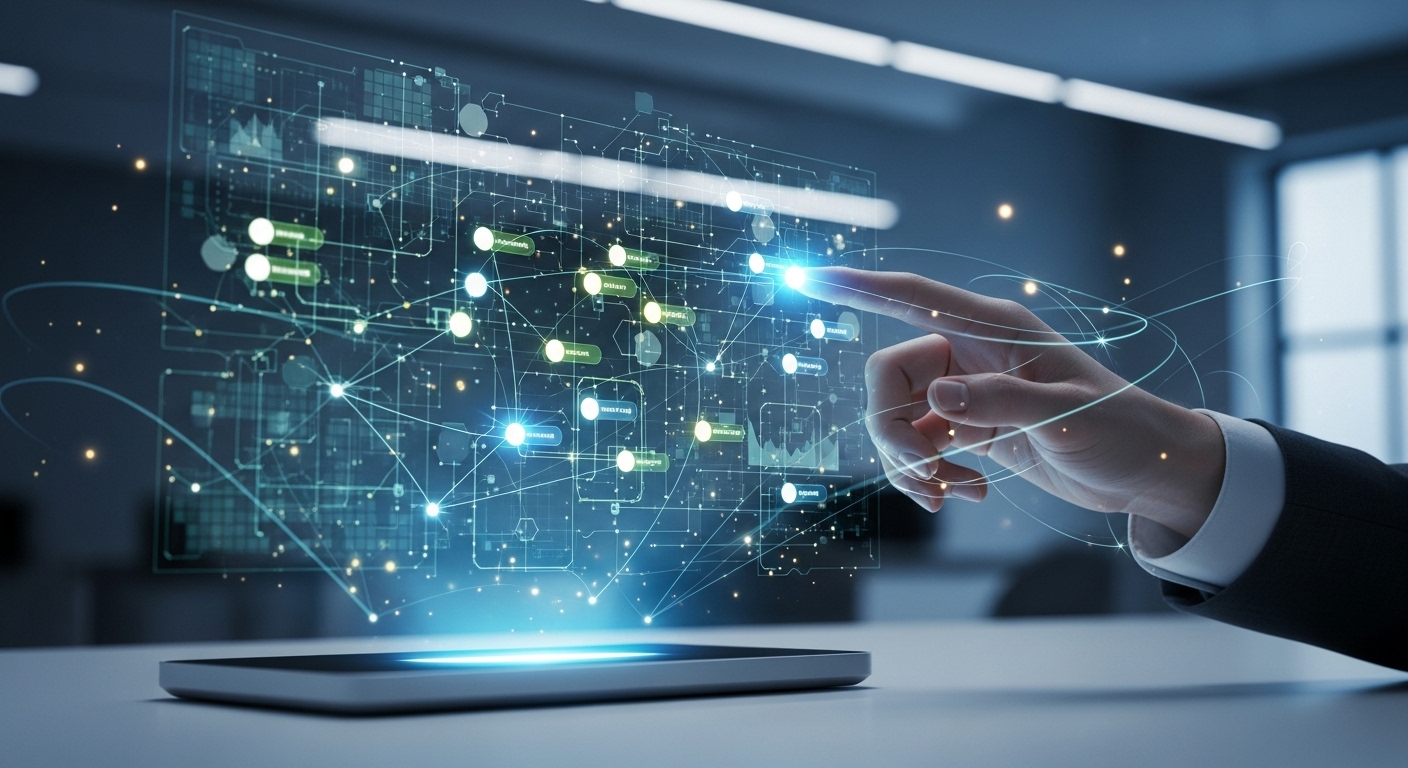
Introduction: The Silent Power of Modern Technology
Technology has become an inseparable part of our lives, yet many of its most powerful influences are invisible. From the devices we carry to the systems that run entire cities, technology works quietly behind the scenes to simplify tasks, connect people, and solve problems faster than ever before. The twenty-first century is witnessing a transformation unlike any other in human history, where innovation moves faster than awareness and shapes the future in subtle yet profound ways. This silent revolution is changing the way we live, work, and think.
The Journey from Machines to Intelligence
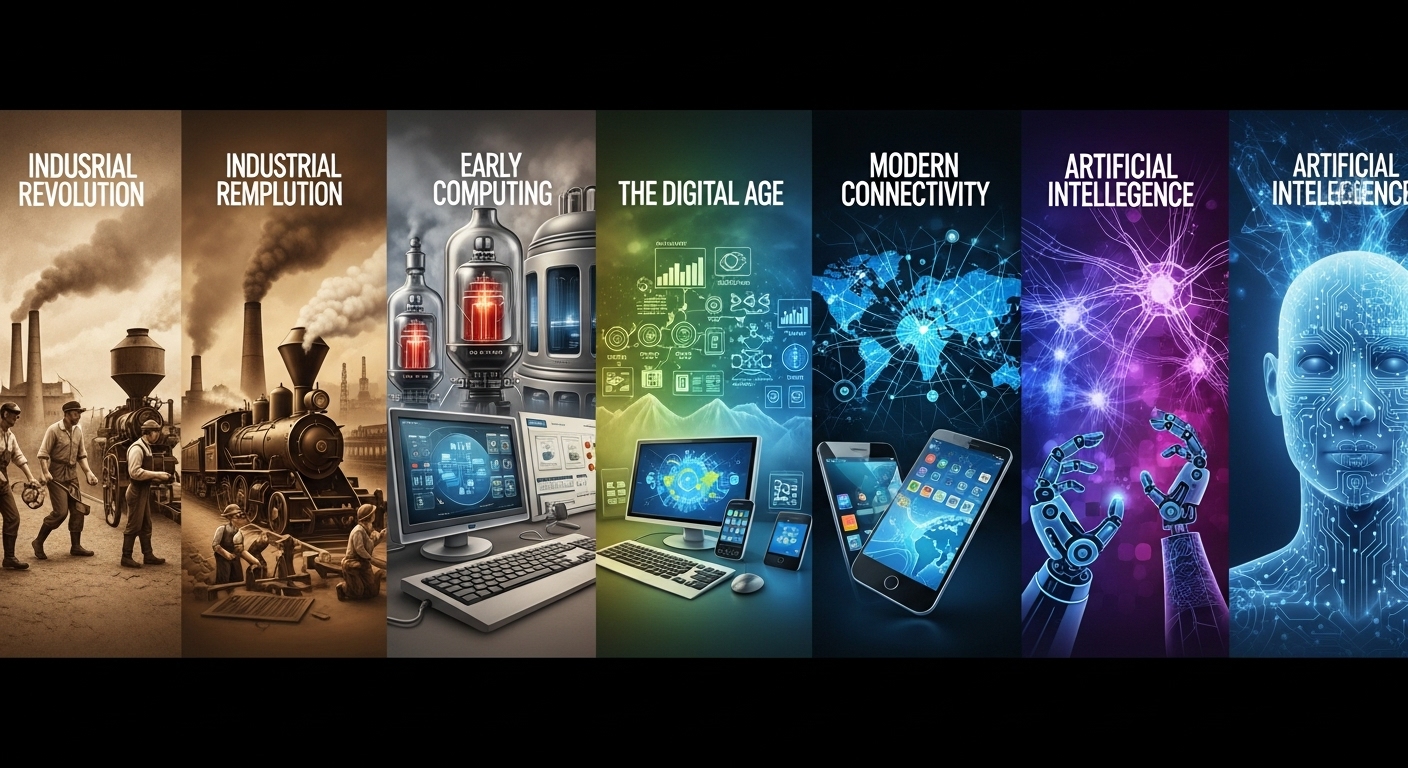
In the early days of human innovation, technology was visible and tangible. The first wheel, the printing press, and the steam engine were all inventions that people could see and understand. However, as science advanced, technology began to evolve into something far more sophisticated and less visible. The twentieth century introduced computers, satellites, and the internet, marking the birth of a digital age. Now, in the twenty-first century, technology has taken on an invisible form through data, artificial intelligence, and automation. What was once mechanical is now intelligent, and what was once visible is now hidden within codes, networks, and algorithms.
Artificial Intelligence: The Thinking Machine
Artificial intelligence, commonly known as AI, is one of the most significant breakthroughs of our time. It mimics human intelligence, learns from experience, and improves itself without human intervention. From facial recognition on smartphones to personalized recommendations on streaming platforms, AI is everywhere. In industries such as healthcare, AI assists doctors in identifying diseases early through image analysis. In finance, it detects fraud by studying patterns humans might overlook. AI has become the unseen brain of the digital world, capable of thinking and making decisions at a scale no human could match. Its true power lies not in replacing humans but in amplifying human potential.
The Internet of Things: Connecting the Physical and Digital
The Internet of Things, or IoT, has made it possible for physical devices to communicate and collaborate. Everyday objects, from refrigerators to cars, are now connected to the internet, creating an ecosystem of smart technology. Imagine a home where lights adjust automatically, air conditioners learn your preferred temperature, and doors lock themselves at night without you lifting a finger. Beyond homes, IoT has transformed industries. In agriculture, sensors monitor soil conditions to improve crop yields. In logistics, smart tracking systems ensure efficient delivery. The IoT has turned ordinary objects into intelligent companions, bridging the gap between the digital and physical worlds.
Cloud Computing: The Invisible Backbone of the Digital Age
Every email sent, file stored, or video streamed relies on cloud computing. It allows data to exist everywhere and nowhere at once, accessible from any device and any location. Before cloud technology, people depended on physical storage devices like hard drives or servers. Now, data lives in a virtual environment that can scale infinitely. This shift has revolutionized business operations, enabling remote work, global collaboration, and instant access to information. The cloud operates silently in the background, ensuring that digital systems function seamlessly. Without it, the modern internet would not exist.
The Role of 5G: Speeding Up the World
Connectivity is the lifeline of technology, and 5G networks are redefining how fast and efficiently that lifeline operates. Unlike its predecessors, 5G is not just an improvement in speed — it is a revolution in capability. It allows billions of devices to connect simultaneously with near-zero latency. This means instant data transfer, real-time communication, and new possibilities for innovation. 5G enables smart cities where traffic, lighting, and emergency systems communicate autonomously. It also makes remote surgery, driverless vehicles, and immersive virtual reality possible. Though invisible to the eye, 5G is the powerful current energizing the next phase of human progress.
Automation: Redefining Work and Productivity
Automation has transformed industries by taking over repetitive and time-consuming tasks. Machines and software now perform functions that once required human effort, from assembling products to managing data. This shift has made production faster and more accurate while reducing costs. Automation does not mean the end of human jobs; instead, it redefines them. As machines handle repetitive labor, humans can focus on creativity, innovation, and strategy. Factories, offices, and even households are becoming more efficient because of automation. It represents the future of productivity — a collaboration between human intellect and machine precision.
Cybersecurity: Protecting the Digital World
As technology grows more advanced, so do the threats against it. Cybersecurity has become one of the most critical aspects of the digital age. Every day, vast amounts of personal and corporate data travel through digital networks. Without strong protection, this information could fall into the wrong hands. Modern cybersecurity systems use artificial intelligence to detect threats, encrypt data, and block unauthorized access. Though unseen by users, these digital guardians work tirelessly to protect sensitive information. The success of cybersecurity lies in its invisibility — the better it works, the less we notice it.
Quantum Computing: A Glimpse into Tomorrow
Quantum computing represents the next leap in technological evolution. Traditional computers use binary code — ones and zeros — to process information. Quantum computers, however, use qubits that can exist in multiple states simultaneously, allowing them to perform complex calculations at unprecedented speeds. This technology has the potential to solve problems that current computers cannot handle, from decoding complex molecules to optimizing global systems. Though quantum computers are still in development, their arrival will redefine what is possible in computing. They symbolize humanity’s quest to break through the limits of technology and enter a new era of discovery.
Biotechnology and Digital Health
Technology is not confined to machines; it is now transforming life itself. Biotechnology combines biology and technology to improve healthcare, agriculture, and sustainability. Scientists are using genetic editing tools to eliminate hereditary diseases and develop more resilient crops. In medicine, digital technologies are enabling personalized treatments based on a person’s genetic makeup. Wearable health devices monitor heart rate, sleep, and activity levels, helping people live healthier lives. This merging of biology and technology is shaping a world where human well-being and innovation walk hand in hand.
Education in the Digital Era
The way we learn has changed forever because of technology. Classrooms are no longer limited by walls or geography. Students across the globe can access the same resources through online platforms, participate in virtual lectures, and collaborate in real time. Artificial intelligence personalizes lessons, adapting to each student’s pace and learning style. Teachers use data analytics to track progress and identify areas for improvement. Education technology has made knowledge more accessible than ever, empowering learners from all walks of life. The digital classroom represents equality in education — a space where opportunity is no longer bound by location or background.
Sustainability Through Technology
Technology is also playing a vital role in addressing global environmental challenges. Green innovations such as renewable energy systems, electric vehicles, and smart grids are reducing carbon emissions and promoting sustainable growth. Artificial intelligence helps optimize energy consumption, while data analytics aids in monitoring climate patterns. Sustainable technology ensures that progress does not come at the cost of the planet. From waste reduction in factories to precision agriculture in farming, technology is guiding humanity toward a more balanced and eco-friendly future. The fusion of innovation and responsibility is the key to long-term survival.
The Merging of Humans and Machines
The line between human capability and machine intelligence is blurring rapidly. Through advanced interfaces and wearable technology, humans can now control machines using thought, gesture, or even emotion. Brain-computer interfaces are helping paralyzed individuals regain mobility, while prosthetic limbs with embedded sensors allow natural movement. This merging of biology and technology is leading toward a future where the human body and digital systems work as one. Far from dehumanizing, this evolution enhances our physical and cognitive potential, allowing us to overcome limitations once deemed impossible.
The Ethical Side of Technology
With great power comes great responsibility, and technology is no exception. The rapid rise of digital innovation raises serious ethical questions. Who owns the data we produce? How much privacy should individuals sacrifice for convenience? Should artificial intelligence have limits on what it can decide? These questions must be answered carefully to ensure that technology serves humanity rather than controls it. Ethical frameworks and transparent policies are essential to prevent misuse and maintain balance. The moral dimension of technology will shape the direction of human progress in the coming decades.
The Future: A World Driven by Invisible Systems
The future of technology will not be defined by what we see but by what operates quietly beneath the surface. Smart environments will anticipate human needs, quantum systems will power scientific breakthroughs, and artificial intelligence will help manage societies efficiently. The ultimate goal of technology is not to dominate but to disappear — to become so seamlessly integrated into daily life that it enhances existence without being noticed. This is the future of innovation: a world powered by invisible intelligence that adapts, learns, and evolves alongside humanity.
Conclusion: Embracing the Invisible Engine of Change
Technology is no longer confined to laboratories or factories; it lives within our pockets, homes, and even bodies. It is the invisible engine that drives progress, connects people, and reshapes the world in countless unseen ways. The beauty of modern technology lies not just in what it can do but in how effortlessly it does it. From artificial intelligence to quantum computing, every innovation pushes humanity forward, opening doors to new possibilities. As we continue to create and evolve, it is our responsibility to ensure that technology remains a tool for empowerment, not control. The future belongs to those who understand that true progress comes from harmony between humanity and innovation — a partnership that defines the very essence of modern civilization.