Introduction
Technology has become the invisible engine driving the progress of our world. It shapes the way we live, work, communicate, and even think. While in the past, technology meant visible machines or mechanical inventions, today it operates silently behind the scenes—embedded in software, data, and digital systems that power almost everything around us. From artificial intelligence to sustainable innovation, the scope of technology is expanding beyond imagination. This is not just a time of rapid change; it is a complete transformation of human civilization.
The Digital Transformation of Society
The digital revolution has blurred the lines between physical and virtual realities. Every sector of society has undergone a digital transformation that redefines how people connect, learn, and interact. Businesses now depend on cloud computing, data analytics, and automation to operate efficiently. Social interactions are no longer confined to geographical boundaries; they have expanded into virtual communities.
Digital tools have also empowered individuals in ways that were once impossible. From online education to remote work, people now have the ability to shape their futures using technology. This democratization of access has opened new opportunities for innovation and creativity, making the digital age one of the most inclusive revolutions in history.
Artificial Intelligence: The Mind of the Machine
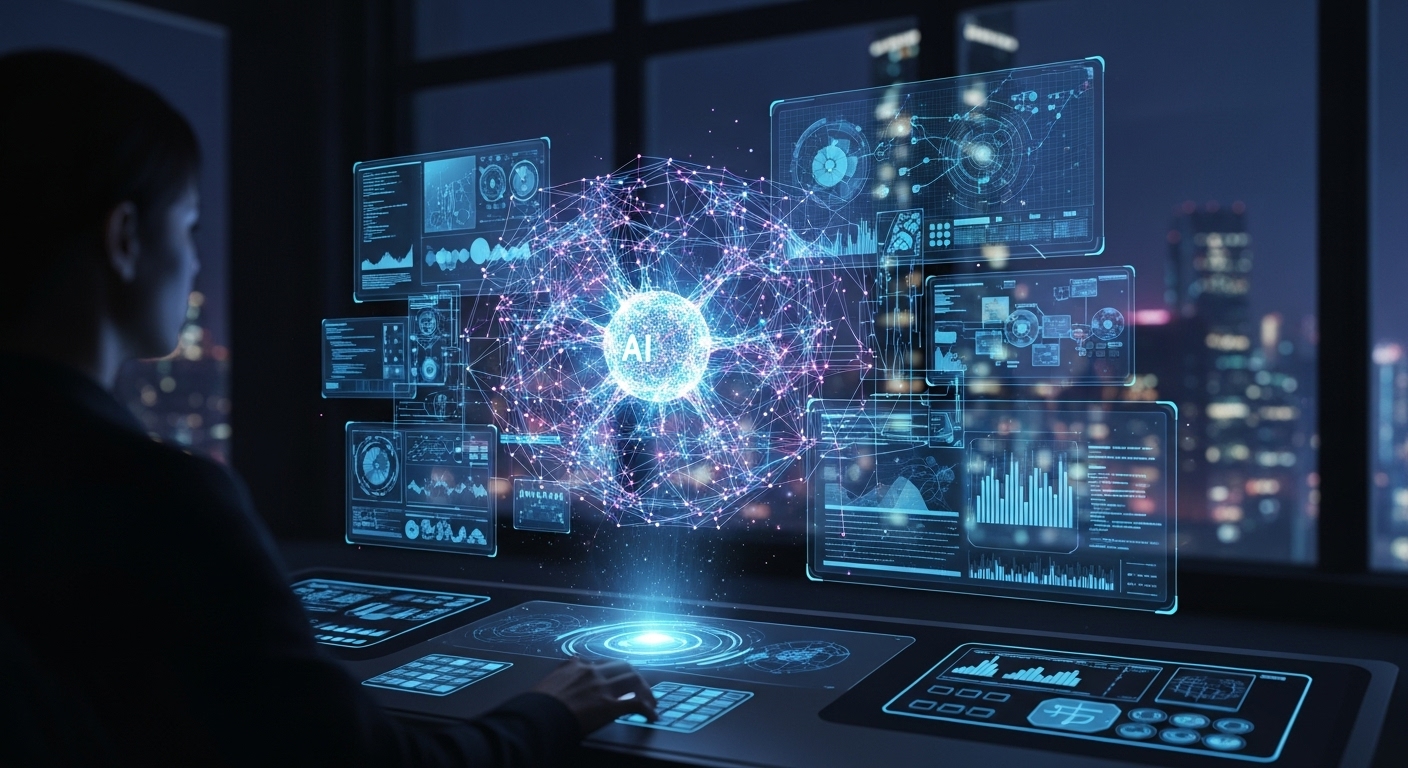
Artificial Intelligence (AI) has become the central pillar of technological progress. Unlike traditional machines that follow fixed instructions, AI systems learn and adapt from experience. This ability to improve through data analysis allows AI to solve problems that were once considered too complex for computers.
AI is now used in healthcare to detect diseases earlier and in finance to prevent fraud. In transportation, self-driving vehicles rely on AI algorithms to make real-time decisions. Even in creative fields, AI is assisting in music composition, art generation, and storytelling. As AI continues to evolve, it will become more integrated into everyday life, helping people make smarter, faster, and more personalized decisions.
Automation and the Future of Work
Automation has become a defining feature of modern industries. Machines and software systems now perform repetitive and time-consuming tasks with unmatched precision. This has led to an increase in efficiency, but it has also sparked debates about the future of human labor.
Rather than replacing people entirely, automation is reshaping the nature of work. New opportunities are emerging in areas that require creativity, empathy, and strategic thinking—qualities that machines cannot replicate. The future workforce will likely focus on collaboration between humans and machines, where each complements the other’s strengths. Continuous learning and skill development will become essential for staying relevant in a world driven by automation.
Quantum Computing: Redefining the Limits of Power
Quantum computing represents the next frontier in computational technology. Traditional computers use bits that represent zeros and ones, but quantum computers use qubits, which can represent multiple states simultaneously. This makes quantum systems capable of solving problems at speeds unimaginable for classical machines.
Scientists believe that quantum computing could revolutionize medicine, climate science, and cybersecurity. It could simulate complex chemical reactions to discover new drugs or optimize global supply chains in real time. Although still in its early stages, quantum computing promises to unlock capabilities that could redefine human problem-solving for generations to come.
The Internet of Things: A Connected Ecosystem
The Internet of Things (IoT) refers to the growing network of interconnected devices that collect and share data. These devices range from smart home systems to industrial machines that monitor performance in real time. The IoT has created an ecosystem where everything from your car to your refrigerator can communicate and respond intelligently.
This connectivity improves efficiency, convenience, and safety. Smart cities use IoT systems to manage traffic, reduce energy consumption, and enhance public safety. In healthcare, wearable devices monitor vital signs and alert doctors in emergencies. The true power of IoT lies in its ability to transform ordinary objects into intelligent tools that simplify and improve human life.
The Green Tech Movement: Sustainability Through Innovation
As technology advances, so does our responsibility toward the environment. Green technology focuses on developing sustainable solutions that reduce pollution, conserve energy, and protect the planet’s natural resources. This includes everything from renewable energy systems to eco-friendly materials and waste-reduction innovations.
Electric vehicles, solar power, and wind energy are leading examples of green technology in action. Smart grids optimize energy distribution, while AI algorithms predict environmental changes and suggest preventive actions. The future of technology must align with sustainability, ensuring that innovation benefits not only humans but also the planet we call home.
The Rise of Virtual and Augmented Reality
Virtual Reality (VR) and Augmented Reality (AR) are transforming how people experience the world. VR creates immersive digital environments, while AR overlays digital information on the physical world. These technologies have moved beyond entertainment and gaming to impact fields like education, medicine, and engineering.
In classrooms, students can explore the solar system in virtual space or dissect a digital organism without using a real specimen. In healthcare, surgeons practice complex procedures in virtual simulations before operating on real patients. In architecture and design, AR allows clients to visualize projects before construction begins. The blending of physical and virtual realities is opening new possibilities for creativity, learning, and innovation.
Cybersecurity: Protecting the Digital World
As digital connectivity expands, so do the risks. Cybersecurity has become one of the most critical challenges of the modern era. Every second, massive amounts of personal and corporate data travel across global networks, making it a target for cybercriminals. Protecting this data requires advanced systems capable of detecting and responding to threats instantly.
AI-based cybersecurity solutions are leading this battle by identifying suspicious activity before it causes harm. Encryption technologies and secure authentication methods ensure that sensitive information remains safe. However, cybersecurity is not just about technology—it is also about awareness. Individuals and organizations must learn to recognize digital threats and protect themselves in a world where data is as valuable as gold.
The Era of 6G and Hyperconnectivity
While 5G technology continues to roll out globally, researchers are already exploring the possibilities of 6G networks. These next-generation systems will offer even faster speeds, lower latency, and more reliable connections. But 6G is more than just an improvement in performance—it represents a complete transformation in connectivity.
6G aims to connect humans, machines, and data in real time, enabling innovations such as holographic communication, ultra-precise remote surgeries, and fully autonomous systems. This level of hyperconnectivity will make the digital and physical worlds indistinguishable, paving the way for a truly global digital society.
Data: The New Currency of the Digital Age
In today’s world, data has become the most valuable resource. Every action—whether browsing the internet, making a purchase, or using a smartphone—generates data. Companies and governments analyze this information to understand behavior, improve services, and make strategic decisions.
However, with great power comes great responsibility. Managing data ethically and transparently is essential to maintain trust. People are becoming more aware of their digital footprints, demanding more control over how their information is used. The future will require stronger data governance policies that balance innovation with privacy.
Biotechnology and the Integration of Human and Machine
The boundaries between biology and technology are becoming increasingly blurred. Biotechnology combines living systems with technological processes to improve human health and capabilities. From genetic engineering to prosthetic enhancements, this field is transforming what it means to be human.
Smart implants can now monitor and regulate internal body functions. Artificial limbs controlled by neural signals restore mobility to amputees. Scientists are even exploring brain-computer interfaces that allow humans to interact with machines through thought alone. As biotechnology advances, it raises both exciting possibilities and deep ethical questions about human identity and evolution.
The Future of Smart Cities
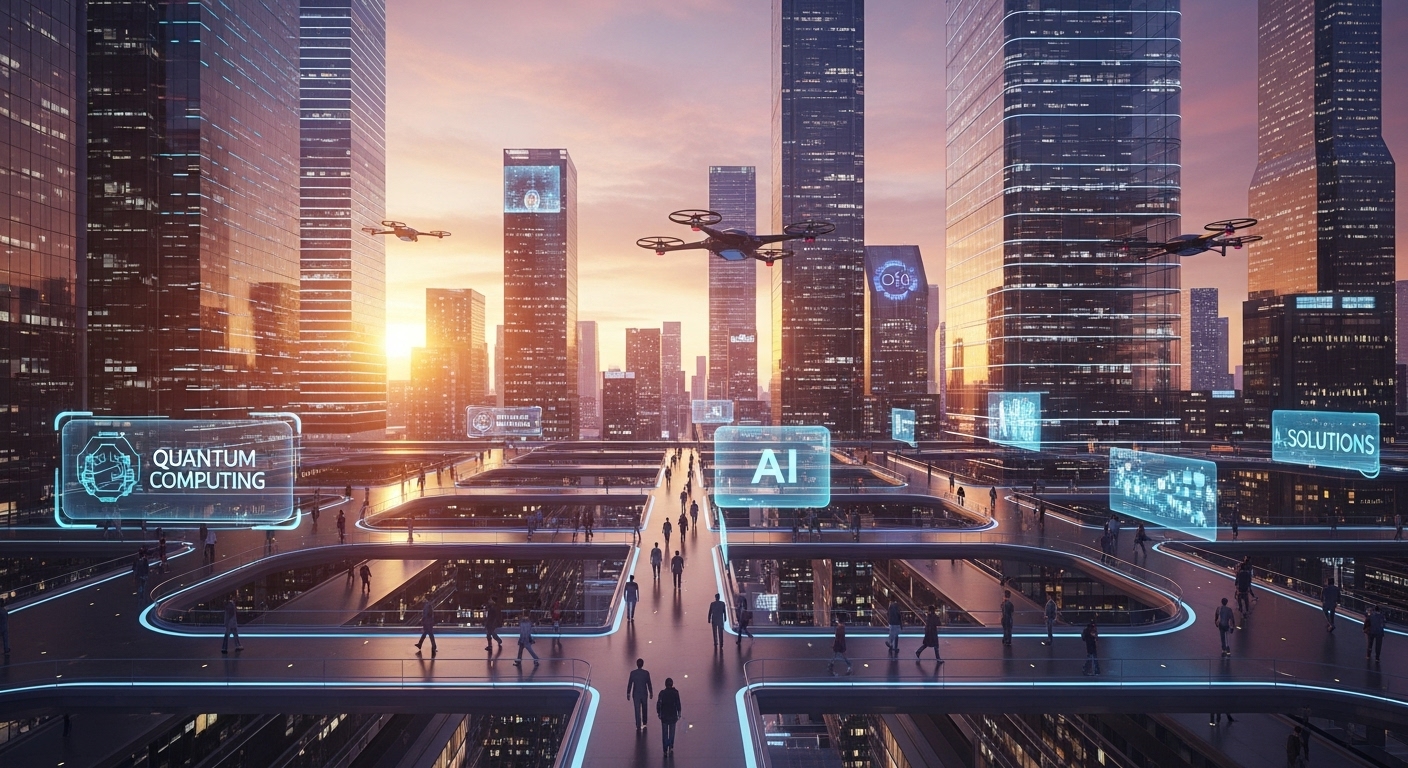
Urbanization is accelerating, and smart cities are emerging as the solution to managing population growth and resource consumption. These cities integrate technology into every aspect of urban life—from transportation and energy to healthcare and public safety.
Smart sensors monitor air quality, traffic patterns, and waste management in real time. Digital infrastructure ensures efficient public services and enhances the quality of life for residents. The goal of smart cities is not just convenience but sustainability—creating environments that are both livable and environmentally friendly.
Ethical Innovation: Balancing Progress with Responsibility
As technology grows more powerful, the ethical implications become increasingly important. Questions about data privacy, AI bias, and automation’s impact on jobs must be addressed responsibly. The focus should not only be on creating new technology but also on understanding its long-term effects on society.
Developers, policymakers, and users must collaborate to ensure innovation serves humanity positively. Ethical technology prioritizes transparency, fairness, and inclusivity. Only by embracing responsible innovation can society fully benefit from technological progress without compromising its core values.
Conclusion
Technology is the invisible engine powering the modern world. From artificial intelligence to green innovation, it is shaping every aspect of human existence. Yet, with each advancement comes a responsibility—to use this power wisely, ethically, and sustainably.
The future will not be defined by how advanced our machines become but by how thoughtfully we integrate them into our lives. Technology should not replace humanity but enhance it, creating a world that is more intelligent, equitable, and compassionate. As we stand on the threshold of a new digital era, one truth is clear: technology is not just our creation—it is our partner in building the future.