Introduction: A New Era of Technological Revolution
Technology is evolving at a breathtaking pace, reshaping every aspect of our lives. From the way we communicate to the tools we use at work, and even how we live in our homes, tech is no longer just a supplementary aspect of life—it is integral to our existence. Innovations such as artificial intelligence (AI), machine learning, quantum computing, blockchain, and 5G connectivity are not only improving existing systems but also creating entirely new industries and opportunities. As we stand on the brink of a technological revolution, it’s essential to explore the emerging trends and how they are set to transform the world.
Artificial Intelligence: The Brain Behind the Machine
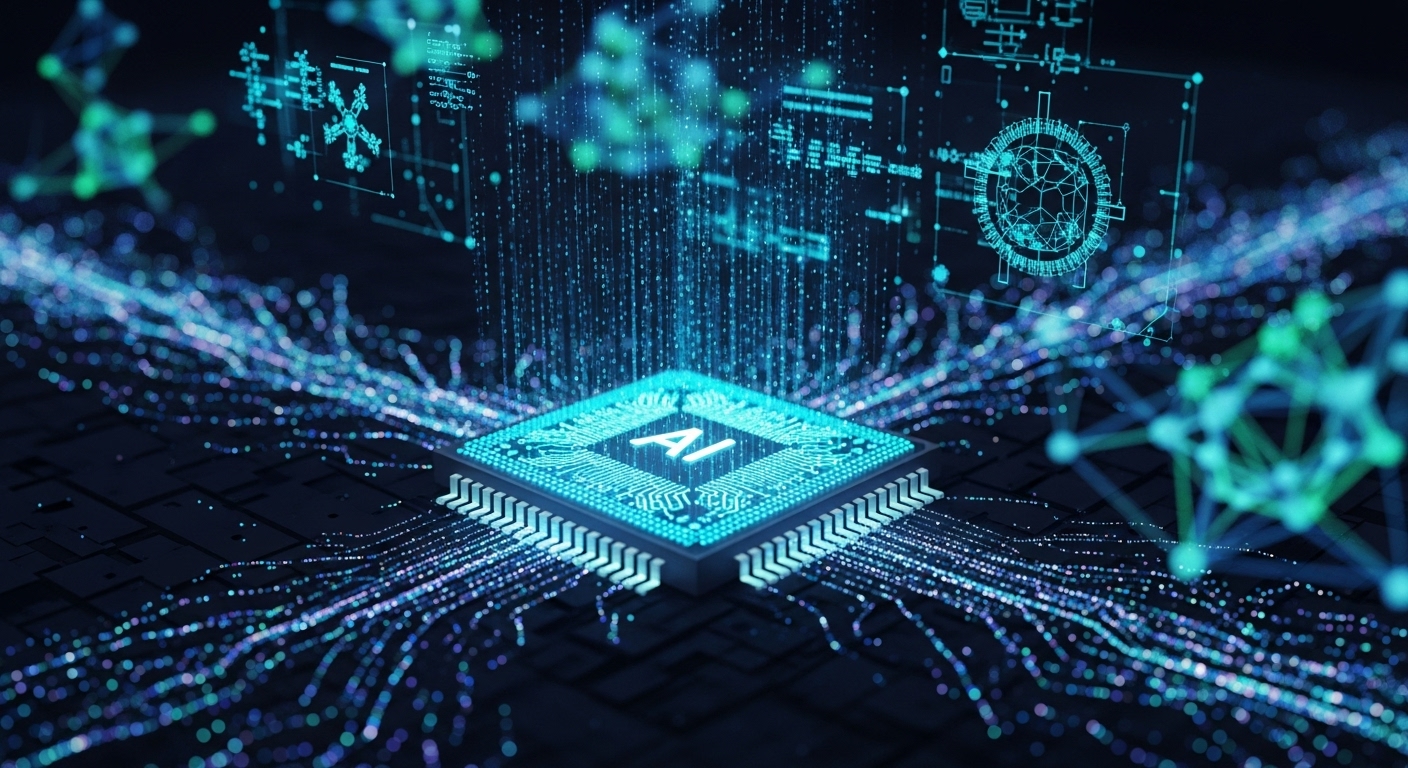
Artificial Intelligence has become one of the most talked-about innovations in recent years. With its ability to process vast amounts of data and make decisions without human intervention, AI is being incorporated into everything from virtual assistants to autonomous vehicles. But the real potential of AI lies in its ability to learn and adapt, a feature known as machine learning (ML).
In industries like healthcare, AI is already showing tremendous promise. It can analyze medical records, assist in diagnosing diseases, and even recommend treatment options based on patient history. The financial sector has also seen a revolution with AI-driven algorithms that can predict market trends, detect fraudulent activities, and personalize services for clients.
However, AI’s influence isn’t limited to these industries alone. In education, entertainment, retail, and beyond, AI is streamlining processes, enhancing customer experiences, and creating efficiencies that were previously unimaginable.
Despite these advancements, there are still challenges to overcome, such as ethical considerations surrounding AI’s decision-making processes and its potential impact on employment. But the future seems incredibly bright for AI, and as it continues to evolve, its integration into society will deepen.
Quantum Computing: The Next Frontier in Processing Power
While we’ve made tremendous strides in computing power over the past few decades, the physical limitations of current technology are starting to become apparent. Enter quantum computing—an entirely new approach to computing that promises to solve problems beyond the reach of classical computers.
Quantum computing relies on quantum bits, or qubits, which can represent and store information in multiple states simultaneously, unlike traditional bits that are either 0 or 1. This ability to perform complex calculations at incredible speeds could revolutionize fields such as cryptography, drug discovery, and materials science. For instance, quantum computers could simulate molecular structures, speeding up the development of life-saving drugs, or decrypt codes that would take classical computers millennia to break.
While quantum computing is still in its infancy, major players like Google, IBM, and Microsoft are making significant investments into this field. The potential for quantum computing to solve problems that are currently unsolvable is immense, and as technology advances, it’s only a matter of time before quantum computers begin to play a key role in a wide range of industries.
5G Connectivity: Redefining the Digital Landscape
As the internet has become an essential part of daily life, the need for faster and more reliable connectivity has never been greater. This is where 5G technology comes in. 5G, or the fifth generation of wireless technology, promises to deliver faster internet speeds, lower latency, and the ability to connect more devices simultaneously.
One of the most significant implications of 5G is its potential to drive the Internet of Things (IoT) to new heights. With more devices connecting to the internet—whether it’s smart homes, wearable technology, or industrial machinery—the need for a faster and more efficient network is paramount. 5G can support this massive growth in connected devices, enabling a smarter, more automated world.
In healthcare, 5G could enable real-time remote surgeries, where surgeons operate on patients thousands of miles away with the help of robotic systems. In transportation, 5G could enhance the performance of autonomous vehicles, allowing them to communicate with each other and infrastructure in real-time to avoid accidents and optimize routes.
Despite the enormous potential of 5G, the rollout has been slow in some areas, due to the complexity of infrastructure changes required and regulatory hurdles. However, as the technology matures, we can expect a complete transformation in how we interact with the world.
Blockchain: Beyond Cryptocurrency
Blockchain technology is often associated with cryptocurrency, but its applications go far beyond Bitcoin and other digital currencies. Blockchain is essentially a decentralized, immutable ledger that allows for secure, transparent transactions between parties. This technology has the potential to revolutionize everything from supply chain management to voting systems.
In supply chain management, for example, blockchain can be used to track the provenance of goods, ensuring transparency and accountability. This could help reduce fraud, waste, and inefficiency, making global trade more secure and sustainable.
Another area where blockchain is making waves is in healthcare. By using blockchain to store and share medical records securely, patients and healthcare providers can access critical information in real-time, improving patient care and reducing administrative costs.
Blockchain’s ability to provide secure, transparent transactions has also led to its adoption in the finance sector. Decentralized finance (DeFi) platforms are emerging, offering people the ability to engage in financial transactions without the need for traditional banking intermediaries.
Though blockchain is still a relatively new technology, its potential to transform multiple industries is undeniable. As adoption increases, we can expect to see new use cases emerge that will further redefine how we conduct business and interact with the world.
Augmented Reality and Virtual Reality: The Blurring Line Between Physical and Digital Worlds
The rise of augmented reality (AR) and virtual reality (VR) has opened up new possibilities for entertainment, education, and business. These immersive technologies allow users to interact with digital content in ways that were once reserved for science fiction.
In entertainment, VR has already made its mark in gaming, providing players with fully immersive experiences. But the potential of VR goes beyond gaming. Industries like architecture, automotive, and tourism are leveraging VR to give clients virtual tours of properties, cars, and vacation destinations.
AR, on the other hand, enhances the real world by overlaying digital information on top of it. Apps like Pokémon Go brought AR into the mainstream, but the technology is being applied in much more practical ways. For example, AR can be used in retail to allow customers to virtually try on clothes or see how furniture would look in their homes before making a purchase.
In education, both AR and VR offer new ways to engage students. Virtual field trips, interactive simulations, and immersive learning experiences are just the beginning. As these technologies continue to develop, the lines between the physical and digital worlds will continue to blur, creating a more interconnected and interactive reality.
The Ethical Implications of Technological Advancements
While these technological innovations hold great promise, they also raise important ethical questions. As AI and automation take on more tasks, what happens to the workforce? Will robots and algorithms replace jobs, or will they simply shift the nature of work? How do we ensure that AI is used ethically, without bias or discrimination?
Similarly, with the rise of blockchain, 5G, and other advanced technologies, there are concerns about privacy and security. As more personal data is shared and stored digitally, how can we ensure that individuals’ rights are protected?
These are difficult questions that society must address as technology continues to evolve. Striking the right balance between innovation and ethical responsibility will be key to ensuring that the benefits of these technologies are realized without compromising fundamental rights and values.
Conclusion: Embracing the Future with Caution and Optimism
The rapid pace of technological advancement presents both exciting opportunities and significant challenges. From AI and quantum computing to blockchain and 5G, we are on the cusp of a new era of innovation that will transform the way we live, work, and interact with the world. As these technologies continue to develop, it’s important to approach them with a sense of caution, recognizing the ethical implications and potential risks involved.
At the same time, we must embrace the promise of technology and its potential to solve some of the world’s most pressing problems. Whether it’s revolutionizing healthcare, improving education, or creating new economic opportunities, the future of tech holds incredible potential. By navigating these advancements thoughtfully and responsibly, we can shape a future where technology serves the greater good and enhances the quality of life for everyone.