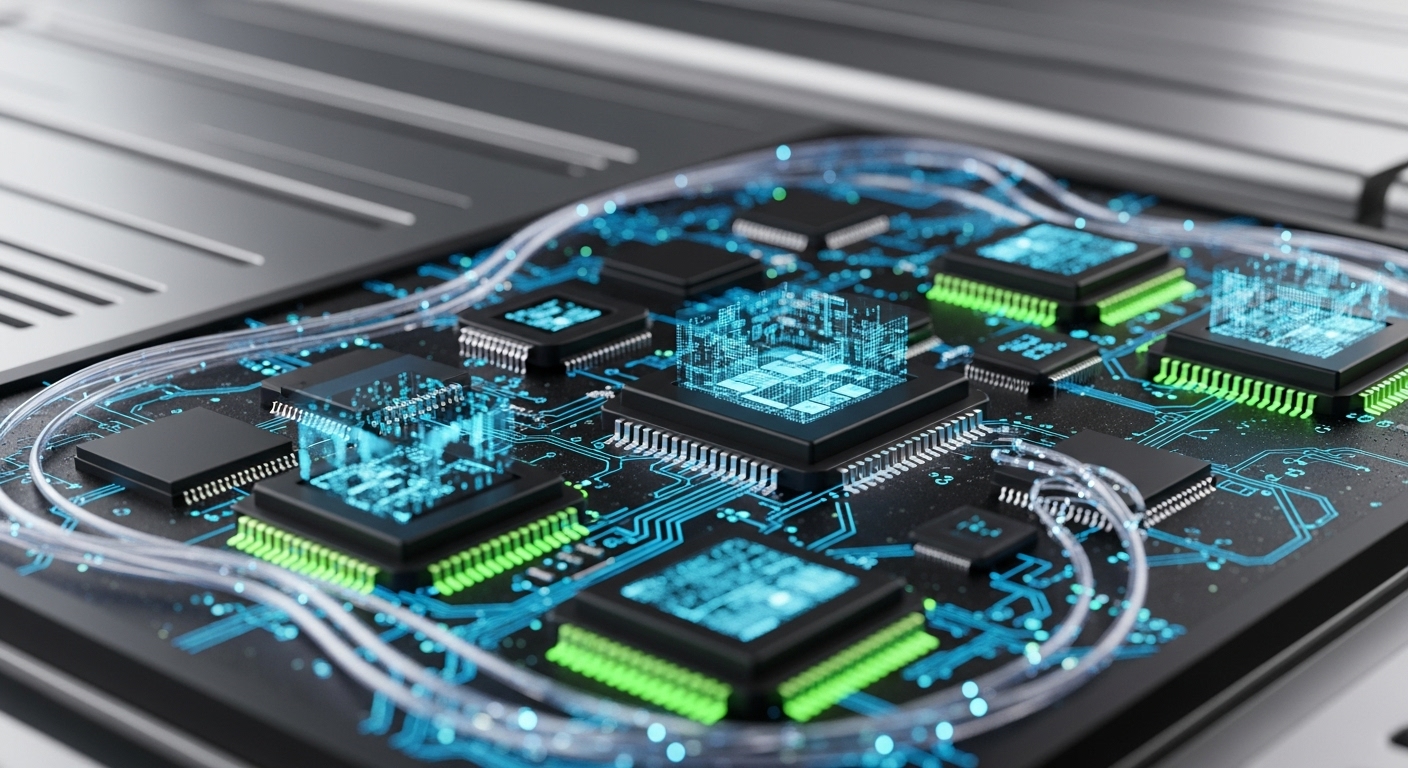

In the blink of an eye, the technological landscape has evolved beyond recognition. The rapid pace of innovation, fueled by advances in artificial intelligence, machine learning, blockchain, and quantum computing, has led us to a point where we can no longer imagine a world without technology. From smart homes to autonomous vehicles, and from virtual assistants to personalized healthcare, technology is intricately woven into the fabric of our daily lives. But what does the future hold? How is technology not just changing the way we live, but also altering our very concept of what is possible?
This blog post explores the transformative power of technology across various industries, and how it is shaping our future. We’ll delve into the latest advancements, discuss their real-world applications, and look at the challenges that come with rapid innovation. More importantly, we’ll explore the bigger question: how can we ensure that these technologies benefit humanity as a whole?
The Age of Artificial Intelligence: Beyond Automation
One of the most significant technological advances in recent years has been the rise of artificial intelligence (AI). While AI has been around for decades, its capabilities have exploded in recent years due to advances in machine learning, neural networks, and data processing power. AI is now being applied in almost every industry, from healthcare to finance, and is transforming the way businesses operate and how individuals live their lives.
AI has moved beyond simple automation and now serves as an intelligent partner in decision-making processes. In healthcare, for example, AI is helping doctors diagnose diseases more accurately and quickly by analyzing medical images and patient data. In the finance sector, AI algorithms are being used to predict market trends and assist with investment decisions. Even in entertainment, AI-powered recommendation systems, like those used by Netflix or Spotify, have revolutionized the way we discover content.
However, as AI continues to evolve, it also raises important ethical questions. With machine learning models capable of making decisions that impact human lives, it’s crucial to ensure that AI is used responsibly. What safeguards should be in place to prevent biased algorithms or malicious uses of AI? These are questions that society must grapple with as we move toward a future increasingly reliant on artificial intelligence.
The Rise of Smart Everything: Connecting Our World
The Internet of Things (IoT) has emerged as one of the most exciting frontiers of modern technology. IoT refers to the network of devices — from home appliances to wearable fitness trackers — that are connected to the internet and can communicate with each other. This interconnected web of devices is making our world smarter, more efficient, and more convenient.
At home, IoT devices like smart thermostats, security cameras, and voice-controlled assistants like Amazon’s Alexa or Google Assistant have become commonplace. These technologies allow us to control our environments with a simple voice command or a tap on a smartphone screen. Smart homes are now more energy-efficient, secure, and adaptable to our personal preferences than ever before.
But IoT’s potential stretches far beyond the home. In industries like agriculture, IoT devices are being used to monitor soil moisture levels and track the health of crops in real-time. In transportation, connected vehicles and smart traffic systems are optimizing routes and reducing traffic congestion. In cities, IoT is driving the development of “smart cities,” where everything from waste management to energy consumption is optimized for efficiency and sustainability.
As our world becomes more connected, however, the issue of data privacy and security becomes more pressing. With billions of devices transmitting personal data every second, how do we ensure that this information is kept safe from cyberattacks and misuse? The answer lies in creating robust security protocols and promoting public awareness of data privacy risks.
The Advent of Autonomous Technology: Revolutionizing Transportation
When we think of autonomous technology, the first thing that often comes to mind is self-driving cars. But autonomous technology is making its presence felt in many other areas as well, from drones to delivery robots, and even in the workplace with automated machinery. Self-driving vehicles, powered by AI and machine learning, are perhaps the most visible example of how automation is set to reshape industries.
In the transportation sector, self-driving cars have the potential to revolutionize not only how we get from one place to another but also how we think about mobility. By removing the human driver from the equation, autonomous vehicles promise to reduce traffic accidents, lower transportation costs, and even decrease carbon emissions. Additionally, autonomous trucks could transform the logistics industry, leading to faster and more cost-efficient deliveries.
Despite the many benefits, autonomous vehicles also present significant challenges. There are still technological hurdles to overcome, such as improving the vehicle’s ability to handle complex traffic scenarios and ensuring safety under all conditions. But perhaps the more pressing issue is the societal impact: how will the widespread adoption of self-driving cars affect jobs in sectors like trucking, taxi services, and delivery? As with many new technologies, there will be winners and losers, and it will be crucial to find ways to manage this disruption responsibly.
Quantum Computing: The Next Frontier
While we’re all familiar with traditional computing — the kind that powers our smartphones and laptops — there’s an entirely different kind of computing on the horizon: quantum computing. Unlike classical computers, which process information in binary (0s and 1s), quantum computers use quantum bits or “qubits,” which can exist in multiple states at once. This gives them the potential to solve problems that would take traditional computers millennia to solve.
Quantum computing has the potential to revolutionize industries like drug discovery, cryptography, and climate modeling. For instance, quantum computers could simulate complex molecular interactions, leading to breakthroughs in medicine and materials science. They could also crack encryption codes that would otherwise be impenetrable, raising both opportunities and concerns for data security.
However, quantum computing is still in its infancy. It will likely be years, if not decades, before quantum computers become widely accessible or practical for everyday use. In the meantime, research and development in this field will continue at a rapid pace, and we can expect to see major breakthroughs in the coming years.
Digital Transformation in Healthcare: A New Era of Personalized Medicine
One of the most exciting applications of technology in recent years is its impact on healthcare. From AI-powered diagnostics to wearable health monitors, technology is revolutionizing the way we approach medicine. Perhaps the most promising development is the shift toward personalized medicine, where treatments are tailored to the individual based on their unique genetic makeup, lifestyle, and environmental factors.
Wearable devices like fitness trackers and smartwatches can now monitor everything from heart rate to sleep patterns, allowing individuals to track their health in real time. These devices can even alert users to potential health problems, such as irregular heartbeats or high blood pressure, giving them the opportunity to seek medical attention before the problem becomes critical.
On a larger scale, technologies like telemedicine are making healthcare more accessible, especially in rural or underserved areas. Patients can now consult with doctors remotely, reducing the need for long travel times and making healthcare more efficient. In the near future, AI will play an even larger role in diagnosing diseases, predicting outbreaks, and managing patient care, leading to a more proactive and preventative approach to healthcare.
Blockchain: More Than Just Cryptocurrency
While many people associate blockchain with cryptocurrencies like Bitcoin, its potential extends far beyond the financial sector. Blockchain is essentially a decentralized, immutable ledger that records transactions across multiple computers in a way that ensures transparency and security. This technology is being explored in industries ranging from supply chain management to voting systems, and even in the art world with the rise of non-fungible tokens (NFTs).
One of the key benefits of blockchain is its ability to reduce fraud and increase transparency. In supply chains, for example, blockchain can provide an immutable record of each step a product takes, from raw materials to delivery, ensuring that consumers know exactly where their products come from. Similarly, in voting, blockchain could offer a way to securely cast and count votes, reducing the potential for election tampering.
However, blockchain technology is not without its challenges. The energy consumption required for certain blockchain systems, particularly those that rely on mining, has raised environmental concerns. Additionally, the complexity of the technology means that widespread adoption will take time, requiring significant regulatory frameworks and infrastructure development.
The Future: Balancing Innovation with Responsibility
As we look to the future, it’s clear that technology will continue to evolve and permeate every aspect of our lives. But with this progress comes the responsibility to ensure that technology is developed and deployed in ways that are ethical, inclusive, and sustainable.
The digital divide remains a major concern, as many communities around the world still lack access to basic technologies like the internet and smartphones. As technology advances, we must ensure that these innovations don’t exacerbate existing inequalities.
At the same time, we must consider the environmental impact of technology. From e-waste to energy consumption, the rapid growth of tech industries must be paired with sustainable practices to minimize harm to the planet.
In the end, technology holds immense promise, but it also comes with challenges. By focusing on ethical development, ensuring equitable access, and managing potential risks, we can harness the power of technology to build a brighter, more connected future for all.
Conclusion: Embracing the Digital Future
Technology is not just shaping the future — it is creating it. From AI and IoT to quantum computing and blockchain, the innovations of today are laying the groundwork for a world that was once only imaginable in science fiction. As we continue to innovate, we must remember that technology should serve humanity, not the other way around. By embracing these changes responsibly, we can ensure that the future is bright, sustainable, and inclusive for all.