
Introduction
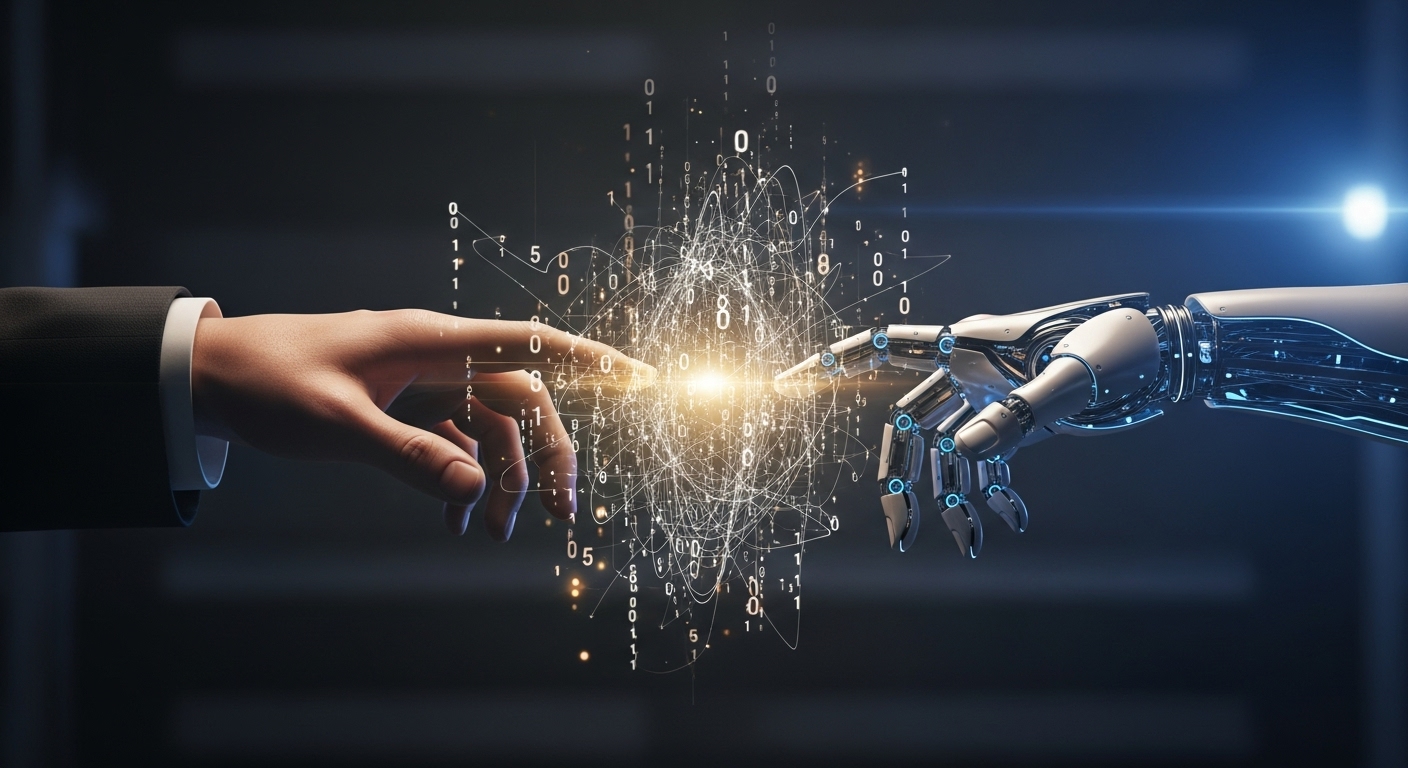
Technology is the invisible force that powers modern civilization. From communication to healthcare, from education to entertainment, it has reshaped every corner of human life. The world that once relied on manual effort now functions through automation, algorithms, and artificial intelligence. Technology is not merely a tool anymore—it is a partner, a creator, and a catalyst for change. As the pace of innovation accelerates, humanity stands at a defining moment where every new discovery brings both opportunity and responsibility. This digital age, often described as the fourth industrial revolution, represents more than progress—it represents transformation.
The Evolution of Human Innovation
Human progress has always been guided by innovation. From the invention of the wheel to the discovery of electricity, every era of human history has been marked by technological breakthroughs. The twentieth century introduced computers and the internet, opening the door to a world of limitless connectivity. As the digital revolution gained momentum, information became the new currency. Now, in the twenty-first century, technologies like artificial intelligence, robotics, and biotechnology are pushing the boundaries of what it means to live, work, and interact.
The evolution of technology can be divided into distinct phases. The mechanical age focused on machines and physical inventions. The industrial age revolutionized production and transportation. The digital age brought computers and networks into homes and workplaces. Today, we are entering the intelligent age, where machines not only execute tasks but also think, learn, and adapt. This shift from tools to intelligent systems represents one of the greatest transformations in human history.
Artificial Intelligence: The Mind of the Machine
Artificial intelligence, or AI, stands at the core of this transformation. It enables machines to mimic human cognition—learning, reasoning, and problem-solving. AI systems analyze massive amounts of data and use that information to make decisions faster and more accurately than humans ever could. Whether it is detecting diseases in medical scans, predicting market trends, or recommending movies, AI has become an integral part of daily life.
The power of AI lies in its adaptability. Machine learning and neural networks allow algorithms to evolve with experience. This has led to remarkable advancements in natural language processing, computer vision, and predictive analytics. Yet, as powerful as AI is, it raises deep ethical and social questions. How should society handle decisions made by algorithms? Who takes responsibility when an AI system makes a mistake? The challenge lies in ensuring that artificial intelligence serves humanity rather than controls it.
The Internet of Things: A World of Connectivity
The Internet of Things, or IoT, refers to the network of interconnected devices that communicate and share data without human involvement. It extends the power of the internet beyond computers and smartphones to everyday objects like cars, appliances, and even clothing. Smart homes, wearable fitness trackers, and automated vehicles are all results of IoT technology.
In industries, IoT has revolutionized operations. Sensors in factories monitor machinery, detect issues, and optimize production. In agriculture, IoT devices help farmers analyze soil conditions and water usage, improving sustainability. In healthcare, connected devices track patients’ health in real time, allowing for faster response to emergencies.
However, with billions of devices transmitting data, security becomes a major concern. Each connected object represents a potential entry point for cyberattacks. As society becomes more connected, protecting personal and organizational data becomes more critical than ever.
The Rise of Automation and Robotics
Automation and robotics have dramatically transformed industries across the globe. Robots no longer exist only in science fiction; they are now in hospitals, warehouses, and even homes. Industrial robots assemble cars, surgical robots assist doctors in operating rooms, and service robots deliver packages or food.
The integration of robotics and AI has created machines capable of learning tasks on their own. This has improved productivity, accuracy, and safety in workplaces. However, automation also brings a wave of anxiety about job security. As machines take over repetitive tasks, humans must adapt by focusing on creative, emotional, and strategic skills that machines cannot replicate.
The future of work will be defined not by competition between humans and robots but by collaboration. The concept of “cobots” — collaborative robots — is gaining ground, where machines assist rather than replace human workers.
Quantum Computing: The Power Beyond Imagination
Traditional computers operate using bits that represent either 0 or 1. Quantum computers, on the other hand, use qubits that can represent both simultaneously due to quantum superposition. This gives them the potential to solve problems far beyond the reach of classical computing.
Quantum computing could revolutionize industries such as medicine, cybersecurity, and finance. It could speed up drug discovery by simulating molecular interactions, enhance encryption methods for secure communication, and optimize logistics and supply chains at an unimaginable scale.
Although still in its early stages, quantum computing represents a monumental leap forward. Its potential is so vast that many experts consider it the next major frontier of technological advancement.
Data: The Fuel of the Digital Era
Data is the lifeblood of modern technology. Every click, search, and transaction generates data that companies analyze to understand behavior and make decisions. This phenomenon, known as big data, drives everything from personalized advertisements to government planning.
However, with great data comes great responsibility. Privacy concerns have become one of the biggest issues of the digital age. Individuals must be aware of how their personal information is collected and used. Meanwhile, organizations must ensure transparency and security in handling user data. Striking a balance between innovation and privacy is essential for maintaining trust in the digital ecosystem.
Cloud Computing: The Sky of Innovation
Cloud computing has transformed how businesses and individuals store, manage, and access information. Instead of relying on physical servers, data and applications now exist in virtual environments accessible from anywhere in the world. This has enabled remote work, global collaboration, and scalable business operations.
For small businesses, the cloud eliminates the need for expensive infrastructure. For large corporations, it allows flexibility and efficiency. Even in personal life, cloud services make it possible to store photos, documents, and media securely online. The cloud has become the digital foundation of modern productivity.
The Role of Technology in Education
Education has experienced a technological revolution of its own. Traditional classrooms are evolving into hybrid learning environments powered by digital tools. Online platforms provide access to millions of courses, and students can learn at their own pace from anywhere in the world.
Artificial intelligence is also being used to personalize learning experiences. Intelligent tutoring systems adapt lessons based on student performance, while virtual reality enables immersive simulations for complex subjects. The future of education will focus on lifelong learning, preparing students for careers in an ever-changing technological landscape.
Technology and the Environment
Sustainability has become one of the most critical aspects of technological progress. While technology has contributed to environmental problems in the past, it also offers solutions for a greener future. Renewable energy innovations, electric vehicles, and smart grids are reducing carbon emissions.
Smart agriculture technologies optimize water usage and reduce waste, while environmental monitoring systems track air and ocean quality. Even data centers are becoming more energy-efficient through advanced cooling systems and green computing methods. The challenge for the future is to continue advancing technology without sacrificing the health of the planet.
The Human Side of Technology
Amidst all the digital advancement, it is vital to remember that technology is created by humans for humans. It should enhance life, not complicate it. While automation saves time, it should not isolate individuals from one another. While artificial intelligence improves decision-making, it should not replace human empathy.
Emotional intelligence, creativity, and ethics remain uniquely human traits that technology cannot replicate. The true purpose of innovation is to empower people—to make life easier, safer, and more fulfilling. A society that combines technological excellence with compassion will thrive in the future.
Ethical Challenges of the Digital Age
As technology grows more powerful, the ethical implications become more complex. Issues such as data surveillance, deepfakes, algorithmic bias, and misinformation pose real threats. Technology must be guided by moral principles that promote fairness, transparency, and accountability.
Developers and policymakers must ensure that innovation benefits everyone equally. The digital divide—the gap between those with access to technology and those without—must be addressed to create an inclusive future. Ethics should not be an afterthought; it should be embedded in every stage of technological design and implementation.
The Future of Humanity in a Technological World
The next decade will bring technologies that today seem like dreams. Artificial intelligence may surpass human capabilities in specific domains. Quantum computers could redefine global industries. Biotechnology could enhance human health and longevity. Yet, the real question is not what technology can do, but what it should do.
The future will depend on how humans choose to use these powerful tools. If guided by wisdom, technology can help solve the greatest challenges—poverty, disease, and climate change. But if misused, it can deepen inequality and create new dangers. The responsibility lies in balancing innovation with humanity.
Conclusion
Technology is the pulse that drives the future of humanity. It has evolved from simple inventions into complex systems that define modern existence. Artificial intelligence, robotics, quantum computing, and the Internet of Things are not just innovations; they are reflections of human ambition and creativity.
As we step further into the digital frontier, we must remember that technology is not an end in itself—it is a means to a better, more connected, and more sustainable world. The digital pulse of our era will continue to beat stronger, guiding humanity toward a future shaped not by fear or dependence, but by purpose, intelligence, and compassion.