Introduction: Technology as a Driving Force
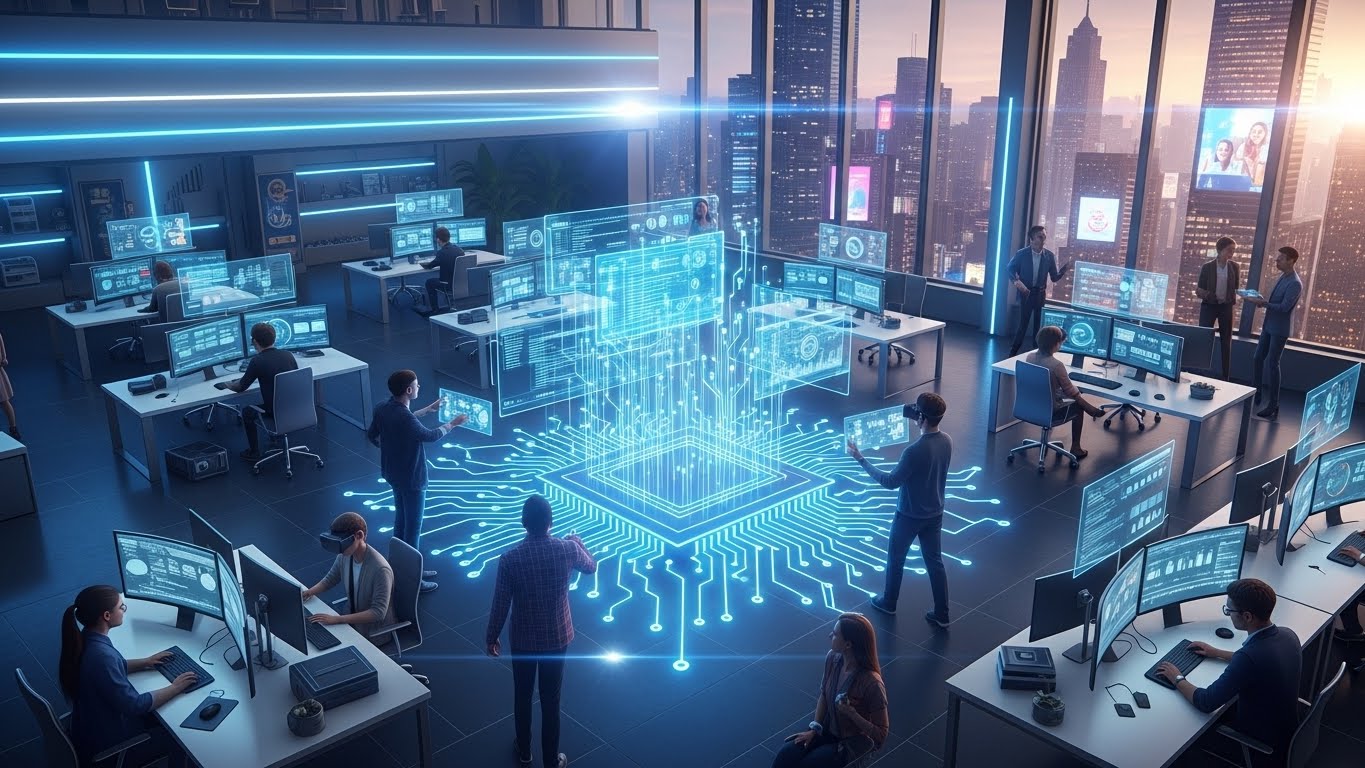
Technology has become the heartbeat of the modern era, influencing nearly every aspect of our daily lives. From communication and entertainment to healthcare and transportation, technological innovations have transformed the way we live, work, and interact with the world. While technology was once viewed merely as a tool for convenience, it has now become a catalyst for societal change, shaping economies, cultures, and human behavior. Understanding technology in today’s context requires looking at its evolution, its applications, and its impact on both individual lives and global systems.
The Evolution of Technology
The journey of technology is a story of human creativity and relentless innovation. From the invention of the wheel to the rise of the printing press, each breakthrough laid the foundation for modern advancements. The 20th century marked the advent of computers, the internet, and mobile communication, transforming information access and connectivity. Today, we are in the era of artificial intelligence, robotics, and digital ecosystems that redefine productivity and interaction. Each stage of technological evolution has expanded human capability, enabling us to achieve feats once considered impossible and creating new possibilities for society at large.
Artificial Intelligence: Redefining Intelligence
Artificial intelligence, or AI, is at the forefront of technological transformation. AI enables machines to learn, analyze, and make decisions, often surpassing human capabilities in specific tasks. Applications of AI are found in healthcare, finance, transportation, and entertainment. Machine learning allows systems to improve over time, optimizing processes and predicting outcomes with remarkable accuracy. AI-powered tools such as virtual assistants, recommendation systems, and automated analytics are now integrated into daily life. Beyond convenience, AI is addressing complex global challenges, from climate modeling to medical diagnostics, proving that technology can enhance both efficiency and problem-solving on a large scale.
The Internet of Things: Connecting Our World
The Internet of Things, or IoT, has transformed ordinary objects into smart, connected devices. From home automation to wearable health monitors, IoT creates a network of interconnected devices that communicate and respond to user needs. Smart homes can adjust lighting and temperature based on preferences, while fitness trackers provide real-time health data. On a larger scale, IoT supports smart cities, optimizing traffic flow, energy consumption, and public services. The integration of IoT not only increases convenience but also enhances efficiency and sustainability, demonstrating how technology can create responsive and adaptive environments.
5G and the Power of Connectivity
Connectivity is a cornerstone of modern technology, and 5G networks represent a major leap forward. With faster speeds, lower latency, and the ability to support numerous devices simultaneously, 5G is enabling innovations in fields such as autonomous vehicles, remote surgery, and virtual reality. High-speed networks allow real-time communication and seamless data transfer, supporting cloud computing and smart devices at an unprecedented scale. As 5G continues to expand, it will facilitate more sophisticated applications and interactions, making technology more integrated and accessible in both personal and professional spheres.
Technology in Healthcare
Healthcare has been revolutionized by technology, improving patient care, diagnostics, and treatment outcomes. Advanced imaging, robotic-assisted surgery, and telemedicine are transforming how medical services are delivered. AI and machine learning are being used to analyze patient data, predict diseases, and personalize treatments. Wearable devices monitor vital signs and promote preventive care, empowering individuals to manage their health proactively. Technology is not only making healthcare more efficient but also more accessible, bridging gaps in medical services and enhancing global health initiatives.
Technology in Education
Education has been profoundly impacted by technological advancements. Digital learning platforms, virtual classrooms, and educational apps provide access to knowledge from anywhere in the world. Students can engage in interactive learning experiences, collaborate in real time, and receive personalized feedback powered by AI. Technology equips learners with digital literacy skills, preparing them for careers in an increasingly digital economy. Beyond traditional learning, technology enables lifelong learning and professional development, making knowledge acquisition continuous and adaptive to evolving industry demands.
Automation and Robotics: Shaping the Future of Work
Automation and robotics are transforming industries by performing tasks that were once labor-intensive or dangerous. In manufacturing, logistics, agriculture, and service sectors, robots increase precision, efficiency, and safety. Automation allows humans to focus on complex problem-solving, creativity, and strategic planning. While concerns about job displacement exist, automation also creates new opportunities in engineering, programming, and system management. The integration of robotics and automation demonstrates how technology can enhance productivity while redefining human roles in the workplace.
Cybersecurity in a Digital Era
As technology becomes more pervasive, cybersecurity has become a critical concern. Cyberattacks, data breaches, and identity theft pose significant risks to individuals, businesses, and governments. Protecting digital assets requires advanced security protocols, encryption, and constant monitoring. AI and machine learning are increasingly used to detect and prevent cyber threats in real time. Awareness and education about safe online practices are equally important, as human error often represents the weakest link. Cybersecurity ensures trust and stability in digital ecosystems, enabling individuals and organizations to fully leverage technological innovations safely.
Technology and Environmental Sustainability
Technology plays a vital role in promoting environmental sustainability. Innovations in renewable energy, energy-efficient devices, and smart grids reduce carbon footprints and optimize resource consumption. AI and IoT facilitate environmental monitoring, predicting natural disasters, and managing water and energy usage. Electric vehicles, sustainable manufacturing practices, and green technology initiatives contribute to reducing pollution and conserving resources. By leveraging technology responsibly, society can address climate change challenges and create a more sustainable future for generations to come.
Entertainment and Media in the Digital Age
The entertainment industry has been transformed by technology, offering immersive and interactive experiences. Streaming platforms, virtual reality, and gaming redefine how content is consumed and created. AI-driven recommendation systems personalize experiences, while social media and digital tools enable individuals to become creators themselves. Technology allows storytelling to become interactive, participatory, and highly engaging. The digital transformation of entertainment reflects broader changes in media consumption and demonstrates how technology empowers both creators and audiences to engage in new and innovative ways.
Challenges and Ethical Considerations
Despite its benefits, technology raises important ethical and societal questions. Issues such as digital addiction, privacy concerns, misinformation, and the responsible use of AI demand attention. Rapid technological development can exacerbate inequality, as access to advanced tools is not uniform. Ethical frameworks, policy-making, and public awareness are essential to ensure that technology serves humanity positively. Balancing innovation with responsibility is crucial to prevent harm while maximizing the potential of technology for societal benefit.
The Future of Technology
The future promises even more transformative technological advances. Artificial intelligence will become increasingly sophisticated, personalized, and integrated into daily life. Quantum computing may revolutionize problem-solving capabilities, unlocking breakthroughs in science, medicine, and logistics. Virtual and augmented reality will redefine work, learning, and entertainment experiences. Biotechnology and medical innovations will extend human life and improve quality of living. Technology will not only change tools but will also reshape how people think, communicate, and engage with the world. Preparing for this future requires adaptability, awareness, and ethical stewardship of technological progress.
Conclusion: Embracing the Technological Revolution
Technology is more than innovation; it is a force that shapes society, culture, and human experience. Its influence spans healthcare, education, industry, entertainment, and the environment, fundamentally transforming how people live and interact. By understanding technology’s potential and challenges, individuals and communities can harness its power responsibly, fostering progress while maintaining ethical standards. Embracing technology with awareness ensures that it becomes a tool for empowerment, sustainability, and societal growth. The technological revolution is ongoing, and how we engage with it today will determine the shape of the world tomorrow.